
Macey Budke
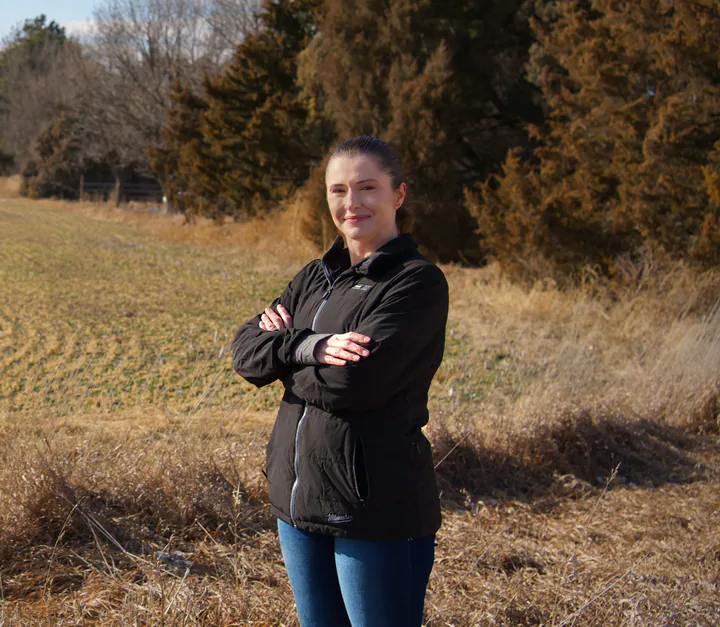
- Office
- U.S. Representative, Nebraska District 3
- State
- Nebraska
- Party
- Nebraska Working People
- Status
- On the general ballot
- Election
- Election held Nov 3, 2026
- Result
- Lost
Build a campaign strategy for Macey Budke
Where Budke stands
Campaign site, updated Nov 14, 2026. The campaign's issues page
Health care costs & insurance premiums
Health care costs & insurance premiums
Health & Human Services
Rural Healthcare
Access to quality healthcare is one of the most urgent issues facing rural Nebraska. Across District 3, hospitals, clinics, and behavioral health providers are being stretched by workforce shortages, rising operating co…
Access to quality healthcare is one of the most urgent issues facing rural Nebraska. Across District 3, hospitals, clinics, and behavioral health providers are being stretched by workforce shortages, rising operating costs, Medicaid and Medicare reimbursement pressure, and growing gaps in access to care.
These challenges do not stay on paper. They affect how quickly families can access care close to home, how far pregnant women must travel for maternal healthcare, how early patients can receive behavioral health treatment before reaching a crisis point, and whether rural hospitals can keep their doors open.
As a behavioral health practice manager, Macey sees firsthand how policy decisions shape care access, staffing, and financial stability for both patients and providers. She supports practical solutions that strengthen the rural healthcare workforce, protect rural hospitals and clinics, expand behavioral and maternal healthcare access, improve telehealth infrastructure where appropriate, and push for federal policy that reflects the realities of rural communities.
People in District 3 should not have to leave their communities to get basic care. Healthcare should be accessible, affordable, and close to home.
Education
Education
Strong schools are the backbone of strong communities, but rural districts across District 3 face challenges that are too often overlooked. Teacher shortages, special education funding gaps, limited staffing, and unequa…
Strong schools are the backbone of strong communities, but rural districts across District 3 face challenges that are too often overlooked. Teacher shortages, special education funding gaps, limited staffing, and unequal access to programs and resources put added strain on schools that are already working hard to serve students with fewer tools.
These problems affect more than the classroom. They shape the support students receive early, the confidence families have that their child’s needs can be met locally, the ability of schools to recruit and keep qualified educators, and the long-term stability that helps young families stay in rural communities.
As a parent who has personally navigated the special education system, Macey understands how these issues play out in real life. She supports practical education policies that strengthen rural schools, improve teacher recruitment and retention, expand career and technical education, and ensure students in every part of Nebraska have access to meaningful opportunity.
A student’s future should not be determined by their zip code. Rural schools deserve the support and investment needed to help every child succeed.
Agriculture, Food & Animals
Agriculture
Agriculture is the backbone of District 3 and a major driver of Nebraska’s economy, but the people who produce our food and sustain our rural communities are under growing pressure. Family farms and ranches are dealing…
Agriculture is the backbone of District 3 and a major driver of Nebraska’s economy, but the people who produce our food and sustain our rural communities are under growing pressure. Family farms and ranches are dealing with unpredictable markets, extreme weather, rising input costs, consolidation in the agricultural sector, and federal policies that too often overlook the realities of life on the ground.
These challenges affect more than producers alone. They shape the strength of local economies, the survival of multi-generational operations, the future of rural main streets, and whether young people see a path to stay and build a life in the communities where they were raised.
Growing up in ranching country, Macey understands that agriculture is not just an industry here, it is a way of life. She supports practical agricultural policies that protect family farms and ranches, promote fair and competitive markets, expand responsible trade opportunities, and give producers a stronger voice in the policies that affect their land, livelihoods, and future.
The people who live and work on the land should not be an afterthought in federal policymaking. Rural Nebraska needs agricultural policy that supports producers instead of burying them in pressure they did not create.
State Government, Ethics & Administration
State Government, Ethics & Administration
Leadership Accountability
Macey is running with the Nebraska Working People Party because she believes public service should start with accountability to the people of the district, not loyalty to political institutions, donors, or outside press…
Macey is running with the Nebraska Working People Party because she believes public service should start with accountability to the people of the district, not loyalty to political institutions, donors, or outside pressure. She remains committed to transparent, honest leadership through regular communication with constituents, direct answers, visible presence in the district, and decisions grounded in what is best for District 3.
Transportation & Motor Vehicles
Transportation & Motor Vehicles
Infrastructure
Infrastructure is a foundational responsibility of government. In rural Nebraska, roads, bridges, broadband, water systems, and energy grids are not luxuries. They are essential to economic stability, public safety, and…
Infrastructure is a foundational responsibility of government. In rural Nebraska, roads, bridges, broadband, water systems, and energy grids are not luxuries. They are essential to economic stability, public safety, and everyday life.
In District 3, infrastructure shapes daily life and long-term opportunity. It affects how producers get goods to market, how businesses grow, how families reach healthcare and emergency services, and how well rural communities stay connected, safe, and economically strong. When infrastructure falls behind, the consequences reach far beyond inconvenience. They limit opportunity and strain the long-term strength of entire communities.
For too long, rural communities have been left behind because infrastructure models often reward density and short-term return rather than long-term community need, putting sparsely populated areas at a disadvantage. Macey supports a strong federal-state partnership that ensures rural communities receive their fair share of infrastructure investment, while allowing state and local leaders to help set priorities based on regional realities.
That means focusing on practical investments in highway and bridge maintenance, rural broadband expansion, water system modernization, irrigation infrastructure, and grid reliability. Infrastructure funding should be transparent, accountable, and tied to measurable economic and community impact.
When rural communities are connected, supported, and equipped to compete, the entire district and the nation benefit.
Labor unions & minimum wage
Labor, Employment & Workforce
Labor & Workforce
A strong workforce is essential to the long-term stability of rural Nebraska. Skilled trades workers, agricultural employees, healthcare staff, educators, and small business workers all help keep District 3 running, but…
A strong workforce is essential to the long-term stability of rural Nebraska. Skilled trades workers, agricultural employees, healthcare staff, educators, and small business workers all help keep District 3 running, but too many employers and workers are operating under growing strain.
Workforce shortages, inconsistent training pipelines, workplace safety concerns, and wage pressures affect both employees and the employers trying to hire and retain them. These challenges extend far beyond the workplace. They shape business growth, staffing levels in essential services, opportunities for young people to stay local, and the long-term economic strength of rural communities.
Labor policy in rural communities requires balance and practicality. Labor unions have played an important role in apprenticeship programs, workplace safety, workforce training, and fair compensation across many industries. At the same time, small businesses and agricultural producers often operate on tight margins and depend on regulatory stability and a workforce system that reflects real-world conditions.
Macey supports practical workforce policies that strengthen apprenticeship pathways, expand skilled trades education, encourage partnerships between unions, community colleges, and employers, and ensure workplace safety laws are enforced consistently and fairly. She believes workers should have the freedom to organize and collectively bargain if they choose, while respecting Nebraska’s right-to-work tradition and the role of Nebraska voters in shaping state labor policy.
Strong rural economies depend on workers being safe, trained, and fairly treated, and on employers having the stability they need to keep businesses running and growing. When workers are trained, safe, and fairly compensated, businesses are better positioned to grow, communities are more stable, and more young people can build a future close to home.
Environment, Energy & Utilities
Environment, Energy & Utilities
Energy
America’s energy policy should be grounded in strength, diversification, and long-term economic opportunity. Rural communities are not on the sidelines of the energy conversation. In District 3, we are central to it.
America’s energy policy should be grounded in strength, diversification, and long-term economic opportunity. Rural communities are not on the sidelines of the energy conversation. In District 3, we are central to it.
For too long, national energy debates have been driven by extremes while producers, landowners, workers, and rural communities are left dealing with the uncertainty. That instability affects investment, planning, job growth, and the ability of local economies to adapt and compete.
Nebraska’s Third District is well positioned to lead with a diversified energy approach. Oil production, ethanol and biofuels, and emerging technologies can all play a role in strengthening energy independence, supporting skilled jobs, and creating new opportunity across rural Nebraska. A diversified energy portfolio strengthens national security, improves resilience, and helps protect against unnecessary disruption.
Macey supports responsible domestic production alongside practical investment in innovation that improves efficiency, expands biofuel markets, strengthens grid reliability, and supports agricultural resilience. She believes adaptation and technological advancement, not rigid one-size-fits-all mandates, are the best path to keeping rural communities competitive and forward-looking.
Energy policy should respect private property rights, value local input, and reflect the realities of the communities expected to live with its consequences. When rural Nebraska is part of the solution, the country is stronger, more stable, and better prepared for the future.
Veterans & Military
Veterans’ Issues
The country has a lasting obligation to those who served. Supporting veterans is not charity. It is a commitment that must be honored with systems that are accessible, effective, and responsive to the people who earned…
The country has a lasting obligation to those who served. Supporting veterans is not charity. It is a commitment that must be honored with systems that are accessible, effective, and responsive to the people who earned that support.
In District 3, veterans often face challenges made worse by geography. Long distances to VA facilities, limited access to specialty care, transportation barriers, and complicated benefits processes can delay care and create unnecessary hardship. In rural communities, those obstacles can turn routine needs into major burdens.
These problems affect more than convenience. They shape how quickly veterans can access medical care, mental health services, disability support, and other essential benefits. When the system is difficult to navigate or too far away to reach, veterans are left carrying costs and stress they should not have to bear.
Macey supports practical solutions that strengthen rural access to care through telehealth, mobile services, and stronger partnerships between the VA and trusted local providers. She believes disability claims and benefits decisions should be processed more efficiently and transparently, and that veterans should have timely access to community-based care options where appropriate, while ensuring quality, transparency, and continuity of care.
Mental health care and suicide prevention must remain a priority, especially in rural areas where isolation can increase risk. Honoring veterans means making sure the system works the way it should: accessible, efficient, and worthy of their service.
State Budget, Bonds & Finance
Taxes & Federal Spending
Taxpayers deserve a government that is transparent, disciplined, and accountable in how it uses public dollars. Federal policy should reflect responsible stewardship, not endless growth in spending without clear priorit…
Taxpayers deserve a government that is transparent, disciplined, and accountable in how it uses public dollars. Federal policy should reflect responsible stewardship, not endless growth in spending without clear priorities or long-term fiscal discipline.
In District 3, the effects of that imbalance are easy to see. Rural communities are asked to do more with less while property taxes remain high, small businesses face uncertainty, infrastructure continues to age, and essential services such as rural healthcare remain under strain. Families are too often told that more borrowing is the only solution, even when trust in how money is spent continues to erode.
That approach is not sustainable. It weakens long-term economic stability, places more pressure on future generations, and leaves rural communities questioning whether federal spending is truly aligned with their needs.
Fiscal responsibility does not mean cutting services without thought. It means setting priorities, reducing waste, requiring regular oversight, and making sure federal spending produces measurable results. Macey supports disciplined budgeting, stronger program audits, and greater transparency in how federal funds are distributed and used.
Federal investments should focus on areas that strengthen rural America, including healthcare access, agricultural resilience, infrastructure modernization, and support for small businesses. Every public dollar should be judged by a simple standard: does it meaningfully improve the lives of the people who paid it?
Responsible budgeting strengthens economic stability, public trust, and the government’s ability to meet real needs. Nebraska families deserve a federal government that is disciplined, transparent, and accountable to the people it serves.
Health & Human Services
Women’s Healthcare & Rural Access
Women deserve access to comprehensive, timely, and safe healthcare, including obstetric and gynecological care. In rural Nebraska, that issue is not abstract. It affects whether women can receive essential care close to…
Women deserve access to comprehensive, timely, and safe healthcare, including obstetric and gynecological care. In rural Nebraska, that issue is not abstract. It affects whether women can receive essential care close to home and whether families can rely on a healthcare system that is stable, accessible, and prepared to meet their needs.
In District 3, the most immediate crisis is access. Large parts of rural Nebraska are women’s healthcare deserts, with limited OB/GYN coverage, closed maternity services, and long travel distances for essential care. These barriers place added strain on patients, providers, and rural hospitals already working with limited resources.
These challenges affect more than individual appointments. They shape maternal health, continuity of care, and the long-term strength of rural communities trying to retain families and sustain local healthcare services. A system that forces women to travel long distances for routine or time-sensitive care is not meeting the needs of the people it is supposed to serve.
Congress still has a responsibility to strengthen rural healthcare systems so women are not left without access to essential care. Macey supports practical solutions that stabilize rural hospital reimbursement, expand provider incentive programs, strengthen rural medical training pipelines, and improve telehealth access when geography limits timely specialty care.
Women in western Nebraska deserve stable access to the care they need close to home. Leadership should focus on strengthening healthcare systems and making sure rural communities are not left behind.
Public Safety & Emergency Services
Public Safety & Emergency Services
Immigration & Border Management
Immigration policy should be grounded in constitutional rights, functional systems, and respect for human dignity. A government can enforce the law and maintain secure borders while still protecting due process and upho…
Immigration policy should be grounded in constitutional rights, functional systems, and respect for human dignity. A government can enforce the law and maintain secure borders while still protecting due process and upholding the legal standards that define the country.
Right now, the immigration system is failing because it is overloaded, slow, and poorly structured to handle cases fairly and efficiently. Backlogged courts, long delays, inconsistent processing, and bureaucratic obstacles leave families in uncertainty, place strain on enforcement, and weaken confidence in the rule of law.
These failures affect more than the people moving through the system. They affect border security, legal credibility, public trust, workforce stability, and the government’s ability to distinguish between timely enforcement and procedural breakdown. A system that moves too slowly to function and too unevenly to inspire confidence is not serving the country well.
Macey supports practical reforms that strengthen both fairness and enforcement by expanding immigration courts, increasing the number of judges and support staff, reducing unnecessary bureaucratic barriers, and improving the efficiency and transparency of the legal process. She believes border management must be lawful, orderly, and consistent with constitutional protections, including due process.
A functioning immigration system should be timely, transparent, and humane. The country is stronger when its laws are enforced through systems that are credible, efficient, and anchored in constitutional principles.
Democracy & the rule of law
Elections & Democracy
Constitutional Balance
Constitutional balance matters because concentrated power, no matter where it sits, weakens accountability and public trust. The federal government has defined powers, states retain important authority, and each branch…
Constitutional balance matters because concentrated power, no matter where it sits, weakens accountability and public trust. The federal government has defined powers, states retain important authority, and each branch of government has a responsibility to operate within clear limits. That structure exists to protect liberty and prevent power from drifting too far in any one direction.
In practice, that balance has come under strain. When major policy decisions are driven through executive action instead of open legislative debate, when agencies stretch beyond clearly defined statutory authority, or when Congress fails to exercise meaningful oversight, the result is a government that feels more distant, less transparent, and harder for people to hold accountable.
These problems affect more than political theory. They shape how laws are written, how regulations are enforced, how communities are governed, and how much trust people place in the institutions making decisions that affect their daily lives. In rural districts especially, one-size-fits-all federal approaches can ignore local realities and leave communities feeling governed from a distance rather than represented.
Macey supports a constitutional approach to government that restores balance through clearer legislation, stronger congressional oversight, defined limits on executive expansion, and respect for the role of states in areas best governed closer to the people. She believes federal policy should provide support where constitutionally appropriate, while leaving room for state and local leadership where local knowledge matters most.
A strong country depends on a government that is accountable, limited, and faithful to the roles assigned by the Constitution. Restoring that balance strengthens liberty, improves trust, and makes government more responsive to the people it is supposed to serve.
Second Amendment & red flag laws
Second Amendment & red flag laws
Criminal Justice, Firearms & Corrections
Second Amendment & Responsible Gun Ownership
The Second Amendment is a constitutional right, and lawful gun ownership is a long-standing part of life in rural Nebraska. In District 3, hunting, sport shooting, and responsible firearm ownership are part of the cultu…
The Second Amendment is a constitutional right, and lawful gun ownership is a long-standing part of life in rural Nebraska. In District 3, hunting, sport shooting, and responsible firearm ownership are part of the culture and daily life of many families and communities.
At the same time, public safety matters. When violence occurs, it often exposes failures that reach beyond the firearm itself, including gaps in mental healthcare access, breakdowns in reporting and enforcement, and missed opportunities to respond when credible warning signs are present.
These failures affect both safety and trust. Communities should not have to choose between constitutional rights and practical efforts to reduce preventable harm. A serious approach to this issue requires focusing on what is enforceable, evidence-based, and consistent with due process.
Macey supports responsible gun ownership alongside policies that strengthen background check enforcement, improve mental healthcare access, and allow narrowly tailored intervention when credible threats exist with strong due process protections. She does not support broad federal bans focused on cosmetic or ergonomic firearm features when those measures do little to address the root causes of violence or improve enforcement. She also supports lawful concealed carry reciprocity so responsible gun owners are not placed in legal jeopardy when traveling across state lines.
Western Nebraska families deserve both safety and constitutional protections. Protecting the Second Amendment and taking practical steps to strengthen accountability, prevention, and fair enforcement are not conflicting goals.
Civil Rights & Human Rights
Equal Treatment Under the Law
Every person deserves dignity, equal protection under the law, and freedom from unlawful discrimination. That principle applies across the board, including to members of the LGBTQ+ community, and it reflects a basic exp…
Every person deserves dignity, equal protection under the law, and freedom from unlawful discrimination. That principle applies across the board, including to members of the LGBTQ+ community, and it reflects a basic expectation of fairness in a constitutional system.
In practice, these issues are often pulled into polarized national fights that generate more heat than clarity. When that happens, real concerns such as equal access to employment, housing, public services, student well-being, family trust, and community stability can get buried under ideological conflict.
These debates affect more than politics. They shape whether people feel protected by the law, whether families feel heard, and whether communities are able to handle difficult social questions with fairness and stability instead of division and reaction. In rural areas especially, durable solutions require seriousness, consistency, and respect for both individual rights and community concerns.
Macey supports a constitutional approach that protects equal treatment under the law, upholds basic non- discrimination standards, and reduces harm where people are vulnerable to exclusion or mistreatment. She also believes questions involving education, parental involvement, youth development, and healthcare policy should be handled with care, clarity, and respect for the roles of families, communities, and states where appropriate.
Mental health support, bullying prevention, and community stability should remain priorities. Public policy should reduce harm, protect individual liberty, and support stable communities where people are treated fairly under the law.
Quoted from the campaign's website. What a campaign says is weaker evidence than a bill it sponsored or a vote it cast.
Track record
Campaigns filed
- BUDKE FOR CONGRESS
In the candidate's own words
Macey Budke is a CD-3 candidate with the Nebraska Working People Party
A lifelong Nebraskan and current North Platte resident, Macey has spent her life working, raising a family, and solving problems in the communities she calls home. With a professional background in healthcare administration and organizational leadership, she brings real-world experience to the challenges facing rural Nebraska—especially in systems that affect everyday families.
Macey currently serves as a practice manager in behavioral health, where she works firsthand with the realities of rural healthcare. She has seen how funding gaps, regulatory hurdles, and workforce shortages make it harder for communities to access the care they need. Those lessons didn’t come from Washington—they came from living and working right here in District 3.
As a parent, Macey understands the challenges rural families face in education. Navigating special education services for her own child gave her direct experience with how difficult it can be to access resources in smaller communities. That experience drives her commitment to practical, community-focused education policies that support students, families, and educators across Nebraska.
Raised in a ranching family, Macey learned early that agriculture is more than an industry—it’s a way of life. Growing up around producers taught her the realities of hard work, unpredictable markets, and how decisions made far from home can deeply impact rural communities. Those roots shape her approach to agricultural policy today: practical, protective of family operations, and focused on keeping rural Nebraska strong.
Macey is running for Congress because District 3 deserves representation that is practical, honest, and accountable. Her campaign is built around four priorities that matter most to rural Nebraska: rural healthcare, education, agriculture, and accountable leadership.
As an Independent, Macey is committed to working with anyone—of any party—who is willing to put Nebraska first. If a policy helps District 3, she will support it. Her only agenda is making sure rural voices are heard, respected, and represented in Washington.
Campaign site, updated Nov 7, 2026.
Campaign finance
- Raised
- $6,347 · Raised this cycle, through Oct 14, 2026.
- Cash on hand
- $326 · As of Oct 14, 2026.
Attention
- News articles, last 30 days
- 7
- Ads seen, last 30 days
- 0
Updated Nov 25, 2026.
Ran against
- Adrian Smith · Republican · incumbent · sitting legislator
- Becky Stille · Democratic
- Dave Else · Legal Marijuana NOW
- Mark Cohen · By Petition
Filing record
The candidacy record
| Status | True from | Known since |
|---|---|---|
| Filed | Feb 9, 2026 | Oct 13, 2026 |
| On the general ballot | — | Oct 16, 2026 |
Updated Oct 31, 2026.