
Bonnie Greaves
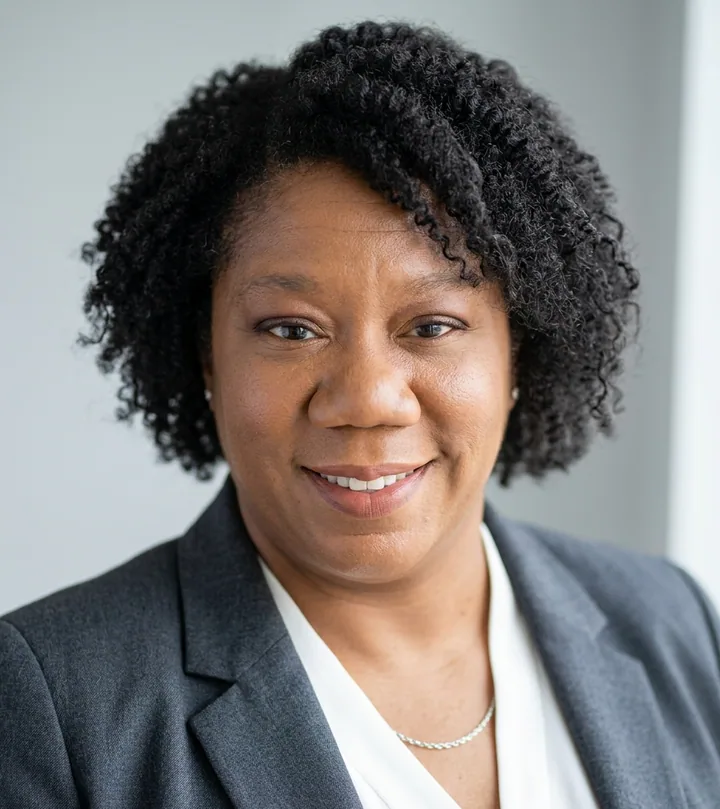
- Office
- School Board Member, Wake County Schools District 1
- State
- North Carolina
- Status
- On the general ballot
- Election
- Election held Nov 3, 2026
- Result
- Counting
Build a campaign strategy for Bonnie Greaves
Where Greaves stands
Campaign site, checked Nov 27, 2026. The campaign's issues page
Education
Supporting Teachers. Serving Students. Demanding Accountability.
Bonnie Greaves' priorities are grounded in years of classroom and student-support experience. She believes strong school board leadership must support the people doing the work, respond to the needs of every student, an…
Bonnie Greaves' priorities are grounded in years of classroom and student-support experience. She believes strong school board leadership must support the people doing the work, respond to the needs of every student, and remain accountable to the public.
Experience With a Purpose
Priorities Shaped by What Happens Inside Real Schools
Bonnie has worked across classrooms, grade levels, subjects, and student-support programs. She has seen how staffing, compensation, workload, and implementation decisions affect educators, students, and families in real…
Bonnie has worked across classrooms, grade levels, subjects, and student-support programs. She has seen how staffing, compensation, workload, and implementation decisions affect educators, students, and families in real time.
Her priorities are not broad education talking points. They come from leading autism and behavioral support programs, working in special education, teaching English language arts, supporting English learners, and serving students across elementary, middle, and high school settings.
Strong schools require supported educators, appropriate services for students, and leadership that is transparent and accountable.
Three Connected Commitments
What Bonnie Will Focus On as a School Board Leader
Priority 01
Support Teachers
- Competitive and fair compensation
- Teacher retention
- Sustainable working conditions
Strong schools depend on educators who feel respected, prepared, heard, and supported.
Bonnie understands that teachers are expected to respond to academic needs, behavioral challenges, family concerns, new programs, reporting requirements, and changing classroom conditions—often at the same time.
She believes school board decisions should take teacher compensation, retention, working conditions, staffing, workload, and classroom input seriously.
- Respect for educator expertise
- Practical implementation expectations
- Adequate staffing
- Support for instructional assistants and school staff
- Resources that match responsibilities
- Meaningful input before programs are rolled out
Retaining Great Educators Requires More Than Appreciation
- Compensation that reflects professional responsibility
- Attention to retention, not only recruitment
- Reasonable implementation expectations
Teachers need to know that their experience, responsibilities, and contributions are valued. Compensation is part of that equation, but retention is also shaped by workload, staffing, leadership, planning time, professional respect, and whether educators believe their concerns are heard.
Bonnie believes school board leadership should consider the full working environment when discussing recruitment and retention.
Bonnie believes added responsibilities should be recognized and reviewed fairly, including compensation or stipends where appropriate.
- Stronger support systems
- Recognition of added responsibilities
- Clear communication during program changes
- Working conditions that allow teachers to focus on students
Listen Before Adding New Expectations
- What implementation will require
- Whether staffing is sufficient
- Whether training is complete
A program may appear effective on paper while creating unintended challenges inside classrooms. Teachers and support staff often understand those challenges first because they are responsible for implementing the work.
Bonnie believes educators should have meaningful opportunities to explain what implementation will require before decisions are finalized.
“
The people responsible for carrying out a decision should have a voice before that decision is finalized.
— Bonnie Greaves
- Whether schedules are realistic
- Whether the program duplicates existing work
- Whether students are receiving the intended benefit
- Whether additional expectations are sustainable
Support the Entire Team Around the Classroom
- Clear roles
- Appropriate staffing
- Reliable communication
Teachers do not serve students alone. Instructional assistants, specialists, support staff, administrators, and other employees help keep classrooms and student-support programs functioning.
Bonnie's experience working with instructional assistants showed her that staffing structures, communication, training, and leadership affect the entire team.
- Training
- Recognition of added responsibilities
- Support during vacancies
- Inclusion in implementation planning
What Bonnie Will Keep Asking
- 01Are educators being heard before changes are implemented?
- 02Do staffing levels match the responsibilities being assigned?
- 03Are added expectations realistic and sustainable?
Priority 02
- 04Are teachers and assistants receiving the support they need?
- 05Are recruitment efforts paired with a serious retention strategy?
- 06Are working conditions helping educators focus on students?
Serve Every Student
- Strong special education services
- Autism support
- Behavioral support
Students deserve services, environments, staffing, and educational support that reflect their individual needs.
Bonnie's experience in autism support, behavioral support, special education, English language arts, and English learner instruction has shown her that students do not all enter the classroom with the same needs, strengths, challenges, or support systems.
She believes school board decisions should recognize those differences and ensure that programs are designed around students rather than forcing every student into the same approach.
- Individualized student needs
- Appropriate placements
- IEP implementation
- Section 504 supports
- Family communication
- Adequate staffing
- English learner support
- Coordination across educators and support teams
- Services that are practical and accessible
Specialized Services Must Be Staffed, Supported, and Implemented
- Individualized Education Programs, commonly known as IEPs
- Section 504 supports and accommodations
- Autism support
Students receiving special education, autism support, behavioral support, accommodations, or other specialized services depend on coordinated teams and clear implementation.
Bonnie understands that these services involve more than written plans. They require trained professionals, instructional assistants, communication with families, appropriate environments, and consistent follow-through.
- Behavioral support
- Specialized staffing
- Appropriate placements
- Family communication
- Program continuity
- Collaboration among educators and support teams
- Accountability for implementation
The Right Support Begins With Understanding the Student
- Does the setting match the student's needs?
- Is the required staffing available?
- Are accommodations and services being implemented?
Student placement should be based on a careful understanding of educational, behavioral, developmental, and support needs. It should not be treated as a one-size-fits-all administrative decision.
Bonnie believes families and educational teams need clear communication, appropriate options, and confidence that decisions are connected to the student's needs.
- Are educators and assistants prepared?
- Are families receiving clear communication?
- Is the student's progress being reviewed?
Experience in Autism and Behavioral Support
- Behavior should be understood in context
- Staff need preparation and support
- Student needs may vary significantly
Bonnie has worked directly in autism support and behavioral support settings. She understands that student behavior may communicate a need, a challenge, a frustration, or a gap in support—and that educators need appropriate staffing, training, time, and resources to respond effectively.
Her experience leading both autism support and behavioral support programs also showed her how vacancies and staffing gaps can affect students, assistants, families, and the educators responsible for keeping programs operating.
- Program continuity matters
- Assistants and specialists are essential
- Families need clear communication
- Staffing decisions directly affect service quality
Students Enter Classrooms With Different Starting Points
- Literacy support
- Clear communication
- Instruction adapted to student needs
Bonnie has taught English language arts and has worked with English learners. That experience reinforced the importance of clear instruction, literacy support, communication, and recognizing that students may need different pathways to access the same educational opportunity.
- Family engagement
- Respect for cultural and language differences
- Appropriate academic support
- Coordination among teachers and specialists
Policies Must Work Across Different Ages and Classrooms
Bonnie has worked across elementary, middle, and high school settings. She understands that a policy may affect an elementary support classroom differently than a middle school behavioral program or a high school Englis…
Bonnie has worked across elementary, middle, and high school settings. She understands that a policy may affect an elementary support classroom differently than a middle school behavioral program or a high school English course.
School board decisions must account for differences in student development, academic expectations, classroom structure, family communication, behavioral and emotional needs, staffing models, and transitions between grade levels.
What Bonnie Will Keep Asking
- 01Are services based on the student's needs?
- 02Are specialized programs adequately staffed?
- 03Are educators and assistants prepared to implement student plans?
Priority 03
- 04Are families receiving clear communication?
- 05Are students placed in environments that support their growth?
- 06Are support programs reviewed for continuity and effectiveness?
Learn More
In-depth essays and background materials on the issues facing Wake County schools.
What Killed Special Education $2.2 Million in Settlements, an $18 Million Hole: How Wake County Broke Special Education
- Wake County evaluated fewer than half of referred students on time, paid out millions to families over seclusion and restraint, and then tried to cut 130 special education positions to close an $18 million gap. Behind all of it sits a state funding cap that has not moved in decades.
A Connected Vision
Teachers, Students, and Accountability Cannot Be Separated
Teacher support affects student services. Student programs depend on staffing and implementation. Public spending should reflect what educators and students actually need. Accountability requires listening to the people…
Teacher support affects student services. Student programs depend on staffing and implementation. Public spending should reflect what educators and students actually need. Accountability requires listening to the people closest to the work. Bonnie's priorities are connected because school systems are connected.
Support Teachers
Because students benefit when educators have the time, staffing, tools, and working conditions needed to succeed.
Serve Every Student
Because public schools must respond to different academic, behavioral, developmental, and support needs.
What These Priorities Look Like in Leadership
Bonnie's priorities define what matters. Her approach to leadership explains how she would evaluate decisions, listen to the community, review implementation, and remain accountable for results.
Bonnie's priorities define what matters. Her approach to leadership explains how she would evaluate decisions, listen to the community, review implementation, and remain accountable for results.
Join the Campaign
Stand With a Campaign Focused on Teachers, Students, and Responsible Leadership
Help Bonnie Greaves bring practical classroom experience and accountable leadership to the Wake County School Board.
State Government, Ethics & Administration
State Government, Ethics & Administration
Demand Accountability
- Budget transparency
- Responsible spending
- Clear program goals
Public education decisions should be transparent, measurable, and connected to results.
Wake County families and taxpayers deserve to understand how public resources are being used, what programs are expected to accomplish, and whether those programs are producing meaningful results.
Bonnie believes accountability should include more than reviewing a budget total. It should include examining implementation, staffing, outcomes, communication, and whether investments are helping students and educators.
- Measurable outcomes
- Implementation review
- Public communication
- Follow-up after decisions are made
- Evidence-informed leadership
- Honest reporting
- Accountability to the community
Programs Should Be Evaluated After They Are Approved
- Were the goals clearly defined?
- Was staffing sufficient?
- Was training provided?
Approving a program is only the beginning. School board leadership should continue asking whether the program was implemented as intended, whether staff received the necessary support, whether students are benefiting, and whether the results justify continued investment.
- Was implementation realistic?
- Were educators consulted?
- Were results measured?
- Were unintended consequences identified?
- Was the public informed?
- Should the program continue, change, expand, or end?
Clear Communication Builds Public Trust
- What is being proposed
- Why the decision is being considered
- Who may be affected
Families and community members should not have to search through confusing documents to understand major decisions affecting their schools.
Bonnie believes school board communication should be timely, understandable, and clear about what is being proposed, why the decision is being considered, who may be affected, and how results will be reviewed.
- What implementation will require
- How the public can provide input
- How results will be reviewed
- What changes are made after evaluation
Bonnie's Accountability Questions
- Purpose — What problem is the decision intended to address?
- People — Who will implement it, and who will be affected?
- Resources — Are staffing, time, training, and funding sufficient?
This framework reflects Bonnie's leadership approach—not an official adopted district process.
- Results — How will progress and outcomes be measured?
- Reporting — How will the public learn what happened?
What Bonnie Will Keep Asking
- 01Can the public understand how resources are being used?
- 02Are program goals clearly defined before approval?
- 03Is implementation being reviewed after decisions are made?
Background Reading
- 04Are educators and families informed about major changes?
- 05Are outcomes measured beyond budget totals?
- 06Are adjustments made when evidence shows they are needed?
Demand Accountability
Because resources, programs, and decisions should be transparent and connected to meaningful outcomes.
Because resources, programs, and decisions should be transparent and connected to meaningful outcomes.
From Priorities to Practice
Quoted from the campaign's website. What a campaign says is weaker evidence than a bill it sponsored or a vote it cast.
Track record
In the candidate's own words
Meet Bonnie
Campaign site, checked Nov 27, 2026.
Attention
- News articles, last 30 days
- 0
- Ads seen, last 30 days
- 0
Updated Nov 27, 2026.
Ran against
Filing record
The candidacy record
| Status | True from | Known since |
|---|---|---|
| On the general ballot | — | Nov 14, 2026 |
Updated Nov 19, 2026.