
Denise Slipy
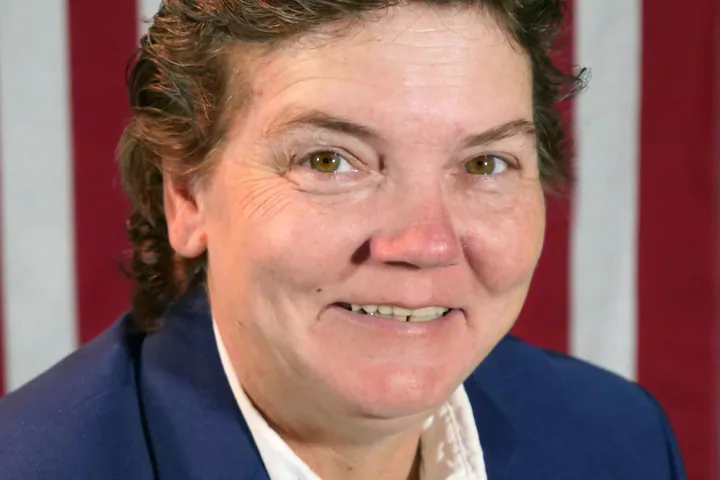
- Office
- State Senator District 6
- State
- Minnesota
- Party
- Democratic-Farmer-Labor
- Status
- On the general ballot
- Election
- Election held Nov 3, 2026
Build a campaign strategy for Denise Slipy
About Denise Slipy
Experience
- Thorstad Companies, Safety Professional · 2024 – present
- Central Lakes Area Safety and Human Resources, Group CEO · 2022 – present
- Crow Wing County Sheriff's Department, Officer · 2023 – 2024
- Park Industries, Manager of Health and Safety · 2021 – 2023
Where Slipy stands
Campaign site, updated Nov 15, 2026. The campaign's issues page
Health & Human Services
Healthcare
Access to quality healthcare is a fundamental right for all Minnesotans, regardless of where they live. Rural Minnesota faces unique healthcare challenges, including limited access to providers, long distances to medica…
Access to quality healthcare is a fundamental right for all Minnesotans, regardless of where they live. Rural Minnesota faces unique healthcare challenges, including limited access to providers, long distances to medical facilities, and lower availability of specialized care. Among these challenges, ensuring equitable access to healthcare for women is a critical issue that requires special attention. The goal should be to strengthen the healthcare system in rural areas, with a particular focus on improving healthcare access and outcomes for women in ways that are both sustainable and responsive to the needs of rural communities.
1. Expanding Access to Healthcare Services
Rural areas of Minnesota often face shortages of healthcare providers, including primary care physicians, specialists, and mental health professionals. In many cases, these shortages are exacerbated by difficulties in r…
Rural areas of Minnesota often face shortages of healthcare providers, including primary care physicians, specialists, and mental health professionals. In many cases, these shortages are exacerbated by difficulties in recruiting and retaining healthcare workers in rural communities. A moderate position calls for targeted investments in healthcare workforce development, including support for healthcare professionals who choose to work in rural settings. Expanding loan repayment programs for medical students and encouraging telemedicine use can help ensure that rural areas are not left behind in the modern healthcare landscape.
Furthermore, expanding healthcare facilities and services in rural areas is crucial to meeting the needs of all residents. Community health centers, rural hospitals, and urgent care clinics must be supported through funding and policies that help them remain viable and accessible. This includes addressing the financial challenges faced by small rural hospitals which often struggle to stay open due to lower patient volumes and reimbursement rates.
2. Strengthening Women's Healthcare
Women in rural Minnesota face unique challenges when it comes to healthcare access, especially in terms of reproductive health, maternal care, and mental health services. The closure of rural healthcare facilities and t…
Women in rural Minnesota face unique challenges when it comes to healthcare access, especially in terms of reproductive health, maternal care, and mental health services. The closure of rural healthcare facilities and the shortage of providers specializing in women's health make it difficult for many women to access the care they need. Rural women often travel long distances to seek basic services such as routine gynecological exams, prenatal care, and mammograms.
A moderate position on women’s healthcare in rural Minnesota emphasizes the importance of increasing access to comprehensive reproductive health services including family planning, contraception, and prenatal care. Expanding access to women’s health clinics and supporting midwifery services can help provide more localized options for care. Additionally, ensuring that rural women have access to maternal healthcare services—especially for high-risk pregnancies—is crucial to reducing maternal mortality and improving overall maternal health outcomes.
Telehealth can also be a valuable tool in expanding access to women’s healthcare services allowing women in rural communities to receive consultations, screenings, and follow-up care without having to travel long distances. This should be coupled with an increase in funding for telemedicine programs that cover a wide range of services, including mental health care, reproductive health consultations, and prenatal and postpartum care.
4. Addressing Healthcare Disparities
Rural communities in Minnesota, including rural women, often face healthcare disparities compared to their urban counterparts. These disparities can be due to socioeconomic factors, access to health insurance, transport…
Rural communities in Minnesota, including rural women, often face healthcare disparities compared to their urban counterparts. These disparities can be due to socioeconomic factors, access to health insurance, transportation challenges, and cultural barriers. Women in rural areas may face additional barriers related to gender-specific healthcare needs, such as access to mammograms, screenings, and specialized care for conditions like breast cancer or osteoporosis.
Addressing these disparities requires targeted policies that improve healthcare access, reduce costs, and eliminate barriers to care. Expanding Medicaid and other public health programs, ensuring insurance coverage for essential services, and promoting community health outreach programs are vital to closing the healthcare gap in rural Minnesota. Moreover, providing support for low-income women, including affordable child care and transportation assistance, can help alleviate some of the burdens that prevent women from seeking the healthcare they need.
Conclusion
Protecting and improving healthcare in rural Minnesota requires a balanced approach that addresses the unique challenges faced by these communities, with special consideration for the needs of women. By expanding access…
Protecting and improving healthcare in rural Minnesota requires a balanced approach that addresses the unique challenges faced by these communities, with special consideration for the needs of women. By expanding access to essential services, investing in healthcare workforce development, improving mental health services, and addressing healthcare disparities, Minnesota can create a more equitable healthcare system for all its residents. Women in rural areas deserve access to the comprehensive care they need to live healthy, fulfilling lives. Policies must be put in place to ensure that they can access that care close to home.
Mental health & youth crisis
Health & Human Services
3. Mental Health Services for Women
Mental health is an often overlooked component of healthcare, particularly for rural women. The stigma surrounding mental health can be even more pronounced in rural areas. The lack of local mental health providers can…
Mental health is an often overlooked component of healthcare, particularly for rural women. The stigma surrounding mental health can be even more pronounced in rural areas. The lack of local mental health providers can make accessing care difficult. Rural women face unique mental health challenges, including those related to caregiving, isolation, economic stress, and reproductive health. Strengthening mental health services for women in rural areas is critical to improving overall healthcare outcomes.
A moderate approach supports the expansion of mental health services in rural Minnesota, with an emphasis on accessible, affordable, and culturally-competent care. This includes increasing the number of mental health professionals in rural communities, integrating mental health services into primary care settings, and expanding access to telehealth options for counseling and therapy. Promoting awareness of mental health issues and providing community-based support networks can also help reduce stigma and encourage women to seek help.
4. Addressing Mental Health and Support Services
Rural students often face unique emotional and mental health challenges, including isolation, limited access to counseling, and pressures related to family life or economic instability. Providing students with the menta…
Rural students often face unique emotional and mental health challenges, including isolation, limited access to counseling, and pressures related to family life or economic instability. Providing students with the mental health support they need is essential to their academic success and overall well-being.
A moderate position calls for expanding access to school-based mental health services, including counselors, social workers, and psychologists, in rural schools. Schools should be equipped to identify early signs of mental health issues and provide students with the necessary resources to address them. Moreover, rural areas should work to destigmatize mental health issues by promoting mental health awareness and creating supportive environments where students feel comfortable seeking help.
Health care costs & insurance premiums
Health care costs & insurance premiums
Health & Human Services
5. Supporting Rural Health Infrastructure
To ensure the long-term sustainability of healthcare in rural Minnesota, there must be a focus on building and maintaining strong health infrastructure. This includes supporting rural hospitals, expanding access to esse…
To ensure the long-term sustainability of healthcare in rural Minnesota, there must be a focus on building and maintaining strong health infrastructure. This includes supporting rural hospitals, expanding access to essential services, and investing in technology that can improve patient care. The healthcare infrastructure must be resilient to future challenges, whether that’s a public health crisis like COVID-19 or the everyday demands of an aging population.
Public-private partnerships, grants, and state-level investments should focus on expanding services, improving the quality of care, and ensuring that rural women have access to the same level of healthcare as urban residents. Ensuring that all rural Minnesotans, particularly women, can access care without facing financial or logistical barriers is crucial for the well-being of the state.
Education
Education
Education is the foundation upon which the future of Minnesota is built, and this holds true for rural communities across the state. Rural Minnesota is home to close-knit communities with a strong commitment to the succ…
Education is the foundation upon which the future of Minnesota is built, and this holds true for rural communities across the state. Rural Minnesota is home to close-knit communities with a strong commitment to the success and well-being of their children. However, these communities face unique challenges when it comes to providing high-quality education. It is essential to recognize these challenges and take proactive steps to ensure that all students, regardless of where they live, have access to the resources and opportunities they need to succeed academically and prepare for the workforce of the future.
1. Ensuring Access to Quality Education for All Students
One of the primary challenges facing rural education in Minnesota is limited access to educational resources and facilities. Rural schools often face budget constraints which can limit their ability to offer a wide rang…
One of the primary challenges facing rural education in Minnesota is limited access to educational resources and facilities. Rural schools often face budget constraints which can limit their ability to offer a wide range of extracurricular activities, advanced placement courses, and specialized programs like STEM (Science, Technology, Engineering, and Mathematics) or the arts. A moderate position supports equitable funding for rural schools ensuring that they receive adequate financial support to maintain high academic standards and provide students with opportunities for enrichment and career preparation.
Additionally, efforts must be made to ensure that all rural schools have access to modern technology, internet connectivity, and up-to-date learning materials. Expanding broadband infrastructure is critical for ensuring that students in rural areas have the same access to online learning tools, research resources, and digital skills development as their urban counterparts. These investments will help bridge the digital divide and provide rural students with the tools they need to compete in an increasingly technology-driven world.
2. Supporting Rural Teachers and Educators
Teachers are the heart of any educational system. In rural Minnesota, they face unique challenges, such as larger class sizes, fewer professional development opportunities, and lower salaries compared to their urban cou…
Teachers are the heart of any educational system. In rural Minnesota, they face unique challenges, such as larger class sizes, fewer professional development opportunities, and lower salaries compared to their urban counterparts. To attract and retain high-quality educators in rural areas, it is essential to provide competitive salaries, opportunities for professional growth, and support networks to help teachers succeed.
A moderate approach calls for increased investment in teacher recruitment and retention programs for rural schools. This includes providing financial incentives, such as student loan forgiveness or housing stipends, for teachers who work in rural communities. It also means offering robust professional development programs that give educators the tools to address the specific needs of rural students and communities. Finally, building strong local teacher networks can help foster collaboration, support, and the exchange of ideas thereby enhancing the overall quality of teaching in rural schools.
3. Expanding Career and Technical Education (CTE) Opportunities
Rural communities in Minnesota often have unique economic strengths, such as agriculture, forestry, manufacturing, and construction. To help students in these areas connect their education to local career opportunities,…
Rural communities in Minnesota often have unique economic strengths, such as agriculture, forestry, manufacturing, and construction. To help students in these areas connect their education to local career opportunities, it is essential to expand access to career and technical education (CTE) programs. CTE prepares students for a wide range of high-demand, well-paying jobs, that are found in rural communities. These programs can provide students with hands-on training in fields like welding, agriculture, healthcare, and information technology.
A moderate approach supports increasing funding for CTE programs and building partnerships between schools, local industries, and vocational training centers. By ensuring that CTE programs align with the needs of the local economy, we can help students gain the skills and experience they need to thrive in their communities while also meeting the demands of the regional workforce.
5. Fostering Community and Family Engagement
Rural Minnesota communities have a long history of working together to support education. However, as rural populations decline and families become more dispersed, maintaining strong community and family engagement in s…
Rural Minnesota communities have a long history of working together to support education. However, as rural populations decline and families become more dispersed, maintaining strong community and family engagement in schools becomes more challenging. It is important to build and maintain strong partnerships between schools, families, and local communities to ensure that all students have the support they need to succeed.
A moderate approach advocates for policies and programs that encourage community involvement, including school-parent partnerships, after-school programs, and mentorship opportunities. Schools should engage with local businesses, nonprofit organizations, and community leaders to create a network of support for students. These efforts can help provide students with mentorship, internships, and career pathways while also strengthening the fabric of rural communities.
6. Ensuring Educational Equity
Educational equity is a critical concern for all Minnesotans, but it is especially important in rural areas where disparities in access to resources and opportunities are often more pronounced. Rural students should not…
Educational equity is a critical concern for all Minnesotans, but it is especially important in rural areas where disparities in access to resources and opportunities are often more pronounced. Rural students should not face disadvantages simply because of where they live. Ensuring equitable access to high-quality education means addressing challenges such as transportation barriers, socioeconomic disparities, and underfunded schools.
A moderate position calls for targeted investments in programs that address these disparities, such as transportation assistance for students, increased funding for rural schools, and outreach efforts to ensure that all students, regardless of their background, have access to the full range of educational opportunities. Additionally, improving access to post-secondary education for rural students—through scholarships, vocational training programs, and partnerships with local colleges and universities—can help ensure that they are prepared for the future.
Conclusion
Education in rural Minnesota must be supported by policies that recognize the unique challenges faced by rural communities while also fostering the development of the next generation of leaders, workers, and citizens. B…
Education in rural Minnesota must be supported by policies that recognize the unique challenges faced by rural communities while also fostering the development of the next generation of leaders, workers, and citizens. By investing in equitable funding for schools, supporting teachers, expanding career and technical education, addressing mental health needs, and fostering community engagement, we can ensure that rural students have access to the same opportunities as those in urban areas. With the right investments and support, rural Minnesota’s education system can thrive, preparing students for success in an ever-changing world.
4. Improving Healthcare and Education Access
Rural communities often face disparities in access to healthcare and education which can hinder economic growth. A moderate approach advocates for increased investment in rural healthcare infrastructure including telehe…
Rural communities often face disparities in access to healthcare and education which can hinder economic growth. A moderate approach advocates for increased investment in rural healthcare infrastructure including telehealth services and better recruitment and retention of medical professionals. Strengthening healthcare access not only improves residents' quality of life but also ensures that rural Minnesota remains an attractive place to live and work.
Similarly, expanding access to quality education, from K-12 schools to higher education, is critical for preparing the next generation for the workforce. Supporting local schools, technical colleges, and vocational programs can equip students with the skills needed for the modern economy and help retain young talent in rural areas.
Environment, Energy & Utilities
Environment, Energy & Utilities
Mining
I support safe, responsible mining that creates good jobs while protecting the long-term health of our land and water.
The Environment
The natural environment of Minnesota is a treasure with its expansive forests, pristine lakes, and diverse wildlife. It is imperative that we take immediate and sustained action to protect and preserve the state's envir…
The natural environment of Minnesota is a treasure with its expansive forests, pristine lakes, and diverse wildlife. It is imperative that we take immediate and sustained action to protect and preserve the state's environment for current and future generations. This protection is not only essential for ecological health but is also vital for Minnesota's economy, public health, and quality of life.
2. Protecting Water Resources
Minnesota is home to over 10,000 lakes, the Mississippi River, and numerous wetlands. Clean water is crucial for public health, agriculture, recreation, and wildlife. Protecting Minnesota’s water resources means safegua…
Minnesota is home to over 10,000 lakes, the Mississippi River, and numerous wetlands. Clean water is crucial for public health, agriculture, recreation, and wildlife. Protecting Minnesota’s water resources means safeguarding against pollution from agricultural runoff, industrial waste, and urban sprawl. The state must strengthen water quality regulations, enforce stricter limits on pollutants, and invest in the restoration of impaired waterways. Additionally, proactive efforts should be made to conserve groundwater, which is vital for drinking water supplies across the state.
3. Preserving Biodiversity and Habitat
Minnesota’s forests, prairies, and wetlands provide critical habitats for a wide range of species, many of which are facing threats from habitat destruction and invasive species. Protecting these ecosystems requires rob…
Minnesota’s forests, prairies, and wetlands provide critical habitats for a wide range of species, many of which are facing threats from habitat destruction and invasive species. Protecting these ecosystems requires robust conservation policies that prioritize habitat restoration, sustainable land use, and wildlife protection. We must also combat the spread of invasive species by supporting research and management strategies that protect native plant and animal populations.
5. Enhancing Environmental Education and Advocacy
Public education and advocacy are key to fostering a culture of environmental stewardship. Minnesotans must be informed about the challenges facing the state’s environment and the ways in which they can make a differenc…
Public education and advocacy are key to fostering a culture of environmental stewardship. Minnesotans must be informed about the challenges facing the state’s environment and the ways in which they can make a difference. This includes supporting programs that educate students, families, and communities on sustainability practices, conservation efforts, and the importance of protecting our natural resources.
Conclusion
Protecting Minnesota’s environment is not just an ecological issue but a matter of social, economic, and public health importance. By investing in clean energy, safeguarding water resources, conserving wildlife habitats…
Protecting Minnesota’s environment is not just an ecological issue but a matter of social, economic, and public health importance. By investing in clean energy, safeguarding water resources, conserving wildlife habitats, supporting sustainable agriculture, and promoting environmental education, Minnesota can preserve its unique natural heritage. It is time for state leaders, communities, and individuals to work together to ensure a sustainable future for Minnesota.
Climate change & clean energy
Environment, Energy & Utilities
1. Addressing Climate Change
Minnesota is already experiencing the impacts of climate change including more frequent and intense storms, rising temperatures, and changes in precipitation patterns. These shifts not only threaten the state’s rich bio…
Minnesota is already experiencing the impacts of climate change including more frequent and intense storms, rising temperatures, and changes in precipitation patterns. These shifts not only threaten the state’s rich biodiversity but also pose significant risks to agriculture, water quality, and infrastructure. To mitigate these effects, Minnesota must invest in renewable energy sources like wind, solar, and bioenergy. A transition to clean energy will reduce greenhouse gas emissions and foster job creation in green industries.
3. Promoting Renewable Energy and Diversified Economic Opportunities
Rural Minnesota is uniquely positioned to benefit from renewable energy development,; such as, wind, solar, and bioenergy. Transitioning to clean energy sources can create jobs, diversify local economies, and reduce dep…
Rural Minnesota is uniquely positioned to benefit from renewable energy development,; such as, wind, solar, and bioenergy. Transitioning to clean energy sources can create jobs, diversify local economies, and reduce dependence on non-renewable resources. However, this transition must be balanced with the need to preserve traditional energy jobs and industries. Supporting energy diversification and ensuring a fair transition for communities dependent on fossil fuels is essential.
Moreover, rural areas should explore emerging industries like outdoor recreation, agritourism, and small-scale manufacturing. Programs that encourage entrepreneurship, invest in workforce training, and provide incentives for small business development can create new economic opportunities while complementing the existing economy.
Agriculture, Food & Animals
4. Sustainable Agriculture and Forestry
Minnesota’s economy is deeply tied to agriculture and forestry, but these industries must adopt sustainable practices that ensure long-term environmental health. Sustainable farming techniques, such as crop rotation, or…
Minnesota’s economy is deeply tied to agriculture and forestry, but these industries must adopt sustainable practices that ensure long-term environmental health. Sustainable farming techniques, such as crop rotation, organic practices, and precision agriculture, can reduce the environmental impact of farming while preserving soil fertility and water quality. Similarly, responsible forest management practices are essential to maintaining Minnesota’s timber industry while protecting biodiversity and combating deforestation.
1. Supporting Agriculture and Rural Industries
Agriculture remains a cornerstone of rural Minnesota’s economy. However, the industry must adapt to changing global markets, climate challenges, and technological advances. A moderate approach focuses on providing farme…
Agriculture remains a cornerstone of rural Minnesota’s economy. However, the industry must adapt to changing global markets, climate challenges, and technological advances. A moderate approach focuses on providing farmers and ranchers with the resources they need to innovate including access to precision farming technologies, sustainable practices, and support for diversified farming. We must ensure that rural Minnesotans have the tools to compete in a global economy while maintaining environmental stewardship and long-term sustainability.
Additionally, rural Minnesota's economy is intertwined with industries like forestry, mining, and manufacturing. These sectors should be supported through policies that encourage responsible resource management, sustainable production practices, and investment in technology that helps these industries thrive in a rapidly-changing economy.
Jobs, wages & the economy
Economic & Community Development
The Economy
Rural Minnesota is the backbone of the state, contributing to its agricultural strength, natural resources, and rich cultural heritage. However, these areas face unique challenges, including slower population growth, li…
Rural Minnesota is the backbone of the state, contributing to its agricultural strength, natural resources, and rich cultural heritage. However, these areas face unique challenges, including slower population growth, limited access to healthcare and education, and economic shifts away from traditional industries. It is essential to adopt a balanced, moderate approach that supports both the traditional sectors of the rural economy while embracing new opportunities for growth and development. By investing in infrastructure, fostering innovation, and supporting sustainable practices we can build a vibrant, resilient economy in rural Minnesota that benefits all residents.
Transportation & Motor Vehicles
Transportation & Motor Vehicles
2. Expanding Access to Infrastructure and Broadband
Access to high-speed broadband is essential for the economic growth of rural Minnesota. Connectivity enables small businesses to reach new markets, allows students to access quality education, and improves healthcare de…
Access to high-speed broadband is essential for the economic growth of rural Minnesota. Connectivity enables small businesses to reach new markets, allows students to access quality education, and improves healthcare delivery through telemedicine. A moderate position supports public-private partnerships and targeted investment to expand broadband infrastructure across rural areas, ensuring that all Minnesotans, regardless of location, have equal access to the tools necessary for success in today’s economy.
Likewise, investing in transportation infrastructure—such as roads, bridges, and rail systems—ensures that goods can move efficiently between rural and urban areas. Improving these networks will not only strengthen rural businesses but also enhance the quality of life for rural residents.
Economic & Community Development
Economic & Community Development
5. Fostering Collaboration Between Rural and Urban Areas
The future success of rural Minnesota depends on fostering collaboration between rural and urban areas. Building stronger ties between the two will ensure that rural communities can take advantage of urban markets, reso…
The future success of rural Minnesota depends on fostering collaboration between rural and urban areas. Building stronger ties between the two will ensure that rural communities can take advantage of urban markets, resources, and networks. A moderate position focuses on creating policies that encourage collaboration in sectors like healthcare, technology, and workforce development. Initiatives that connect rural businesses with urban consumers and vice versa will help ensure mutual prosperity.
Conclusion
Strengthening the economy of rural Minnesota requires a balanced approach that supports the region’s traditional industries while also embracing new opportunities for growth and diversification. By investing in infrastr…
Strengthening the economy of rural Minnesota requires a balanced approach that supports the region’s traditional industries while also embracing new opportunities for growth and diversification. By investing in infrastructure, supporting sustainable agriculture, fostering renewable energy development, improving access to healthcare and education, and encouraging collaboration between rural and urban communities we can create a resilient economy that works for everyone. Rural Minnesota is not only vital to the state’s economy but is also home to a strong, hard-working population that deserves the tools and opportunities to thrive in a changing world.
“I am running for you, the people of this community, who deserve someone that will not be satisfied with the status quo. ”
— Denise Slipy
Quoted from the campaign's website. What a campaign says is weaker evidence than a bill it sponsored or a vote it cast.
Track record
In the candidate's own words
Throughout my adult life, I’ve dedicated myself to volunteering and serving my community, and in doing so I've witnessed firsthand the impact of not having strong, genuine representation. I've served as a volunteer firefighter, first responder, corrections officer, and reserve officer—all roles that have shaped my understanding of what it truly means to serve others.
Raised in a rural area of Indiana by my grandparents who adopted me, I was taught early on the importance of standing up for those who are less fortunate. My grandparents embodied kindness—they never met a stranger. Growing up in a conservative Holiness church, I learned that Jesus loves everyone regardless of their background, and that respect for others, regardless of color or religion, should always guide us. They instilled in me the belief that we should judge people by their actions, not their words.
I saw firsthand the sacrifices my grandmother made, like choosing which medicine she could skip to make ends meet. Despite struggling financially, she made sure to pay her tithes every month from her limited Social Security check, believing that her blessings would be greater by giving. Her example taught me that faith and perseverance can guide us even through difficult times.
The lessons I learned from my grandparents and the elders in my life have shaped who I am today. I’ve learned that when change is needed, sometimes it’s up to you to be the one to make it happen. And that’s exactly what I’m committed to doing for our community—standing up, speaking out, and ensuring that everyone has the representation they deserve.
I have focused on keeping my community safe for 30 years. I am an Environmental Health & Safety Professional, an OSHA Outreach Instructor, a First Aid/CPR/AED Instructor, a Reserve Police Officer, a First Responder for Northern Crow Wing County, and I have also spent years serving as a Volunteer Firefighter. Helping others has been the cornerstone of my career!
A current resident of Breezy Point, I am a wife, mother, grandmother, and a loyal friend. In my free time, I enjoy time with family playing cards and board games, fishing, and playing the piano. I’m also known to smoke the best ribs and brisket around!
I will work for reform in our systems and actively seek opportunities for improvement in welfare, housing, and healthcare. I will examine our current structures and push for bipartisan bills that benefit all of us—proud Minnesotans who just want a fair chance. I am committed to ensuring that our systems work for the people they are meant to serve.
Campaign site, updated Nov 7, 2026.
Attention
- News articles, last 30 days
- 1
- Ads seen, last 30 days
- 0
Updated Nov 25, 2026.
Ran against
Official site and accounts
Filing record
The candidacy record
| Status | True from | Known since |
|---|---|---|
| On the general ballot | — | Oct 14, 2026 |
Updated Oct 31, 2026.