
Nicky Hardy
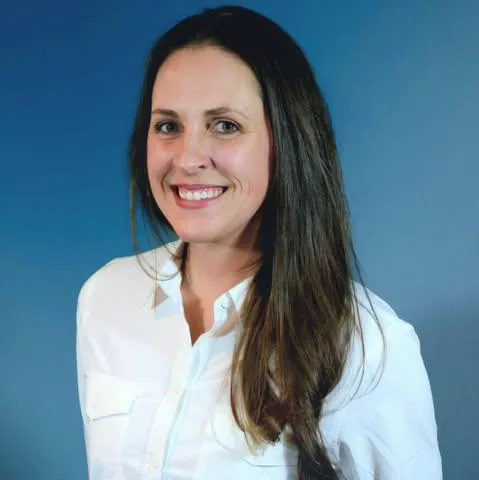
- Office
- State Representative District 6B
- State
- Minnesota
- Party
- Democratic-Farmer-Labor
- Status
- On the general ballot
- Election
- Election held Nov 3, 2026
Build a campaign strategy for Nicky Hardy
About Nicky Hardy
Experience
- Water Aerobics Teacher
- Substitute Teacher
Where Hardy stands
Campaign site, updated Nov 21, 2026. The campaign's issues page
Health & Human Services
Healthcare
Improving Healthcare for All
Improving Healthcare for All
Accessible healthcare should be a human right, not a luxury.
Expand Accessibility to Quality Care
Healthcare in rural Minnesota can be a bit of a struggle. Many rural Minnesotans face challenges to receiving good care because of long travel times or a lack of available services. Some contributing factors are provide…
Healthcare in rural Minnesota can be a bit of a struggle. Many rural Minnesotans face challenges to receiving good care because of long travel times or a lack of available services. Some contributing factors are provider shortages, long wait times for specialists, or even rural hospital and clinics are closures or at risk closures across greater Minnesota (note: these hospital systems often cite financial distress and reimbursements issues and these closures drives up costs at nearby "surviving" hospital systems; Mille Lacs Health System, Hennepin Healthcare [one of only five level 1 trauma hospitals in MN], Mayo Clinic, Fairview Range Medical Center [at risk]). I support policies that expand telehealth services, which will help people across greater Minnesota connect with specialists and primary care providers. This expansion will help improve prompt care and reduce costs associated with travel-related expenses (including time off work). Similarly, I will also advocate for rural healthcare workforce incentives to attract healthcare providers to traditionally underserved rural areas, including expanded student loan forgiveness and rural Minnesota physician scholarships. Additionally, I support exploring options that make it easier for independent practitioners to open and maintain community‑based practices outside the control of large hospital systems. When we strengthening pathways for independent providers, we will increase competition (which could drive down prices), expand access to underserved areas, and keeps care local. Let’s be honest: Minnesota isn’t running out of smart, capable people. We’re running out of ways to get them into healthcare. Our state is full of individuals with advanced degrees that left the workforce to raise children or care for family members, as well as mid‑career adults who would jump into healthcare tomorrow if the path weren’t so rigid and expensive. I know... I am one of them. I support creating scholarships and training programs for people with advanced health-related degrees who want to transition into healthcare practice, and for Minnesotans re‑entering the workforce after caregiving. We need to eliminate barriers to training. Rest assured, opening more doors will not lower the quality of care, but it will bring more well‑trained and motivated practitioners into communities that could really use them.
Early 2020 — Pandemic + Federal Waivers
In February and March 2020, the IRS revoked FOF’s nonprofit status, which was later reversed retroactively; COVID‑19 is declared a pandemic; and the US Department of Agriculture (USDA) issued nationwide waivers that rem…
In February and March 2020, the IRS revoked FOF’s nonprofit status, which was later reversed retroactively; COVID‑19 is declared a pandemic; and the US Department of Agriculture (USDA) issued nationwide waivers that removed in‑person monitoring, allowed off‑site meal distribution, expanded reimbursement flexibility, and dramatically increased program size.
However, no federal fraud‑detection mechanism was created. States were left to administer a rapidly expanding program with no new tools or guidance.
Failure #2: Federal rules expanded the program without expanding oversight.
Time warp (a COVID-19 timeline): In the early months of 2020, little was understood about the virus. China experienced a lockdown because of a novel Coronavirus and the virus was spreading, but details provided by the Chinese government were sparse. In late January, the WHO declared the 2019 Novel Coronavirus outbreak a Public Health Emergency of International Concern (PHEIC). In the United States, infections were documented to be spreading from person to person. By the end of March, it was announced that even with social distancing and public health measures, between 100,000 and 240,000 deaths were expected (there ended up being many hundreds of thousands of deaths more than that estimate and is currently at 1.2 million deaths in the USA). In Minnesota (timeline), schools were closed (March 15), restaurants were closed for in-person dining (March 16), and Minnesota's first death was recorded (March 21). There were growing concerns about the shortage of ICU beds, and on March 27, a Stay at Home Order went into effect, but allowed for continued essential activities and services. On April 4, more than 1,000,000 cases had been documented worldwide and by April 7, over 1,000 cases had been confirmed in Minnesota.
***
Improved Preventative Care
As a biomedical scientist, I cannot underscore this enough: High quality prevention and intervention will always be more cost-effective than a cure. Preventative care keeps people healthier and saves money, but it only…
As a biomedical scientist, I cannot underscore this enough: High quality prevention and intervention will always be more cost-effective than a cure. Preventative care keeps people healthier and saves money, but it only works if Minnesotans can access services that they trust. I support education policies for health practitioners that prepare them for a career in rural medicine, including training for cultural competency, bedside manner, and handling misinformation. Additionally, I support expanding preventative care across rural Minnesota through mobile clinics that can provide screenings, chronic‑disease management, and mobile vaccination services to rural, underserved communities. Preventative care also depends on trustworthy information, and too many Minnesotans have been left to sort through a half‑truths and misinformation. We can and must combat healthcare skepticism with facts, which is why I support public health education outreach that is built on transparency, including citations to primary literature, layman summaries, and full disclosure and scrutiny of any conflicts of interest. Together with improved healthcare accessibility and reduced costs (see above), preventative care will become accessible, affordable, and credible. Minnesotans will stay healthy without waiting for a healthcare crisis.
Improved Accessibility to Healthcare for Veterans
Veterans in rural Minnesota can face some steep barriers to care, with long travel distances and staffing shortages that can make some appointments difficult. Specialty care including dental, mental health, emergency ca…
Veterans in rural Minnesota can face some steep barriers to care, with long travel distances and staffing shortages that can make some appointments difficult. Specialty care including dental, mental health, emergency care, ophthalmology (eyes and visual system), orthopedics, urology (urinary), and others, is lacking in the Brainerd Lakes area and across much of rural Minnesota. I support supplementing VA care through the healthcare reforms already highlighted in my platform, including: modern state‑run long‑term care facilities that include psychiatric, addiction, rehabilitation, geriatric, and memory‑care services; expanded telehealth; mobile preventative‑care and vaccination clinics; and an expanded healthcare workforce that increases access to mental‑health providers and specialists across greater Minnesota. These policies apply to all Minnesotans, but they directly benefit veterans by shortening wait times, expanding specialty access, and ensuring they can receive timely, comprehensive care along with the benefits they’ve earned through the VA.
Go and learn something about the state of healthcare in rural Minnesota: Rural Health Care in Minnesota: Data Highlights by the Minnesota Department of Health
↑Back to Top
Government corruption & ethics
Government corruption & ethics
State Government, Ethics & Administration
Minnesota Fraud
Minnesota Fraud
For as long as there has been money, there has been fraud.
Fraud isn’t unique to modern times. Humans have been trying to cheat systems since Ancient Greece. Approximately 300 BC is earliest known record for fraud, when a Greek merchant tried to sink his own ship for an insurance payout. Fraud shows up whenever there is pressure, opportunity, and a story someone can tell themself to justify it.
The COVID pandemic didn't create fraud, but it did create a perfect storm that maximized fraudulent activities. Nationally, federal agencies (Government Accountability Office, IRS) estimate that billions of dollars, up to hundreds of billions, were lost to pandemic‑era fraud and has resulted in more than 3,000 people and companies charged nationwide... so far!
COVID fraud is a national problem, not a Minnesota‑specific one. The fraud that occurred in MANY states is federal fraud, with federal dollars, from a federal program with little federal oversight. The fraud that happened in Minnesota is just a small sliver of the total fraud that happened nationwide during the COVID era programs. Minnesota’s biggest fraud case, Feeding Our Future, was estimated at $250-300 million in fraud. That is serious money and accountability is required. But it is still just a fraction of the fraud that happened nationwide, and the consequences rendered to Minnesotans at a federal level is positively absurd given the 100+ billions of dollars of fraud that occurred in New York, Arizona, Georgia, California, Illinois, Kansas, Louisiana, Ohio, Alabama, and Texas.
And let us not forget: Despite the (hundreds of) billions of dollars in pandemic fraud that happened nationwide, Minnesota was one of the first states to raise red flags for fraudulent activities. Our Minnesota agencies questioned suspicious claims, denied reimbursements (and got sued and lost in the courts for that denial), documented irregularities, and escalated concerns to federal authorities. Minnesota agencies sounded the alarm and that led to the subsequent federal investigation.
So what needs to happen next?
Minnesota must do the work to tightening oversight. I support legislation that ensures stronger documentation requirements, more compliance staff, improved communication with federal partners, modernized and streamlined systems, heightened transparency, and reforms based on independent audits. Similar to "too many cooks in the kitchen," too many administrative departments creates an situation of having too many managers, not enough doers, and an environment ripe with confusion, inefficiencies, redundancies, and low morale. It is time we simplify and clarify the hierarchy of oversight so that we can ensure that this degree of fraud never happens in the state of Minnesota again. Because although fraud may not be going anywhere, we can do a better job of catching it, stopping it, and prosecuting it.
And this work of reforming oversight has already started with several bills introduced and several failed, often because partisanship got in the way. That partisanship is part of what makes the inflated claim of "billions in Minnesota fraud" so frustrating. The federal estimate is speculative and not supported by evidence. It is being used as a talking point rather than verified fact. It is one of the oldest political tricks out there: grab the biggest hypothetical number out there you can find, strip the context, and repeat it until people stop questioning it. Did you notice how that fraud kept inflating? From 250 million to half or more of $18 billion to 19 billion has been stolen depending who is talking... All this, with zero real evidence. In Gen Z terms, this is basically "trust me, bro." The burden of proof lies with the federal government, and until that proof is provided, this whole conversation looks less like oversight and more like partisanship with a side helping of distraction from a domino effect of missteps and administrative failures.
Minnesotans deserve better than manufactured outrage. We deserve real solutions.
Below is a synopsis (with sources) for what happened with the Feeding our Future fraud that rocked our state.
The Nitty Gritty:
The feeding our Future Fraud
Fraud is a pretty big discussion point right now in Minnesota, so let's talk about the fraud. But first, let's start by clarifying that tackling fraud is NOT a partisan issue. The idea that the Minnesota DFL were complacent in combatting or even complicit in fraud, lacks substance and is nothing more than political strategizing leading in to an election year.
Let's get started by highlighting what has evidence of has actually occurred (in contrast to the millions to billions of dollars in fraud that has been claimed by the federal government without a shred of evidence). This is a breakdown of the Feeding our Future fraud. I've simplified it, but keeping transparency in mind, I've also included the primary government documents and have limited news articles, unless directly cited by a primary article, so you can make an informed opinion without concerns of media bias.
TLDR: In all of this, who is to blame?
The fraudsters, of course.
The fraudsters, of course.
But the system failures that allowed the fraud to grow were widespread: federal, state, judicial, and organizational.
Important abbreviations:
FOF - Feeding Our Future
MDE - Minnesota Department of Education
CACFP - Child and Adult Care Food Program
SFSP - Summer Food Food Program
WHO - World Health Organization
USDA - United States Department of Agriculture
A Timeline of what happened
The timeline below was developed using dates and information provided by the Minnesota Office of the Legislative Auditor’s Exhibit A, federal pandemic policy, and court records and also includes dates and data for the COVID-19 emergency worldwide and specific to Minnesota. Additional supporting links are also provided.
***
2016 — Formation
Feeding Our Future (FOF) was founded on November 7, 2016 by Aimee Bock.
Feeding Our Future (FOF) was founded on November 7, 2016 by Aimee Bock.
***
2017–2020 — Early Warning Signs
2017
2017
In February 2017, FOF applied to become a Child and Adult Care Food Program (CACFP) sponsor. In April 2017, Minnesota Department of Education (MDE) denied the application due to concerns about finances, governance, and administrative capacity. FOF almost immediately appeals. In June 2017, MDE reversed its decision and approved the CACFP application.
* A note: CACFP is "a federal program that provides reimbursements for nutritious meals and snacks to eligible children and adults."
2018–2020
Between 2018 and early 2020, MDE received eleven complaints concerning FOF, including governance disputes (complaints 1,5), aggressive recruitment of sites (2,3,4,6,9,10,11), allegations of kickbacks (7), and concerns about program implementation (8).
In July 2018, FOF was allowed to receive reimbursements for claimed CACFP meals and snacks. In August 2018, FOF claimed nearly 13,000 meals and snacks.
From December 2018 to February 2019, MDE conducted its only administrative review of FOF and issued 22 findings requiring corrective action. MDE promised a follow‑up review within 6–9 months. This follow‑up never occurred.
Failure #1: MDE identified problems but did not complete the required follow‑up review.
***
Spring–Summer 2020 — Rapid Expansion of FOF
In April 2020, MDE observed a site through a virtual site visit. Thirty children in fifteen minutes were served, but then the director's phone died. FOF claimed that 1,800 additional children arrived within the next hou…
In April 2020, MDE observed a site through a virtual site visit. Thirty children in fifteen minutes were served, but then the director's phone died. FOF claimed that 1,800 additional children arrived within the next hour. MDE did not investigate.
Also in April, FOF submitted applications for eight sites for participation in CACFP and FOF threatened litigation if its site applications were not approved by April 30. MDE approved those eight sites, plus an additional four.
In May, FOF applied to participate in the Summer Food Service Program (SFSP), which is also a federal program. Despite logging findings concerning a failure to accurately describe meal service, FOF was allowed to receive reimbursements for claimed SFSP meals and snacks.
In the months of April and May, MDE approved 1,100 sites for SFSP, after experiencing 73% growth from 2019 to 2020.
In August, MDE began - but does not complete - an administrative review of FOF’s SFSP operations, because virtual site visits were not working.
Failure #3: MDE repeatedly identified irregularities, but did not complete investigations.
Time warp (a global timeline and a Minnesota timeline): By April 7, the USA had 18,600 confirmed deaths and more than 500,000 confirmed cases. This made the USA the country with the most reported COVID-19 cases and deaths worldwide. In Minnesota, COVID-19 cases surpassed 1,000 on April 7 and 100 deaths on April 17. By May 30, deaths climbed to 1,000. By October 1, Minnesota had experienced 100,000 cases and 2,000 deaths.
---
Late 2020 — Complaints Spiked + Litigation Began
In October or November of 2020, after reaching out to the USDA Midwest Regional Office multiple times, MDE escalated concerns about FOF to the USDA inspector general, specifically about its growth.
In October or November of 2020, after reaching out to the USDA Midwest Regional Office multiple times, MDE escalated concerns about FOF to the USDA inspector general, specifically about its growth.
MDE received complaints twelve through fifteen concerning management practices (complaint 12, 13, 15) and program implementation (14).
On November 20, 2020, FOF sued MDE for delays in processing applications.
On December 22, 2020, the court ordered MDE to process applications promptly and provide technical assistance to FOF. Also on that day, MDE denied all 68 FOF pending site applications, citing that FOF was already serving beyond the 50,000 per day limit.
Failure #4: The court order constrained MDE’s ability to slow or stop FOF’s expansion.
***
Early 2021 — Serious Deficiencies + FBI Involvement
MDE received complaints sixteen and seventeen, concerning and program implementation (complaint 16) and recruitment practices (17).
MDE received complaints sixteen and seventeen, concerning and program implementation (complaint 16) and recruitment practices (17).
On January 15, 2021, MDE issued a serious deficiency notice to FOF based on the IRS revocation and audit issues.
On February 22, 2021, the FBI notified MDE of allegations involving kickbacks, improper reimbursements, and meals that were never served. This is the first moment federal law enforcement becomes involved.
***
March–April 2021 — MDE Attempts to Stop Payments
MDE received two complaints concerning program management practices (complaint 18, 19).
MDE received two complaints concerning program management practices (complaint 18, 19).
On March 29, MDE issued termination notices and stopped payments to FOF, citing that the January deficiencies had not been resolved. On March 31, a second set of serious deficiencies was issued to FOF by MDE, and was used as grounds to deny the FOF 2022 SFSP application.
In April, MDE provided information to the FBI regarding fraud suspicions with FOF and sites under its sponsorship. MDE met with USDA Midwest Regional Office about the serious deficiencies of FOF; USDA Midwest Regional Office supported the decision to stop payments and indicated that MDE has the authority to make that decision.
FOF filed a motion for a temporary restraining order and to hold MDE in contempt of court. FOF asserted that MDE could not lawfully withhold funds and that MDE's refusal to process FOF applications was a violation of the December 2020 court order.
During the April 21, 2021 hearing, the transcript shows Judge Guthmann* repeatedly stating that MDE cannot stop payments while creating a new validation system that did not previously exist (pgs 45-48). He warned that continued withholding could trigger new litigation (pg 64). At one point, both sides acknowledge that “the gloves are off (pg 71).”
On April 29, MDE denied all 184 pending CACFP and SFSP site applications, because of the March 31 deficiencies. FOF appealed.
Failure #5: The judge did not explicitly order payments to resume**, but his rulings made it challenging for MDE to keep payments stopped without triggering new litigation.
* Senior Judge John H. Guthmann was appointed on Mar. 27, 2008, by Governor Tim Pawlenty and elected in 2010, 2016, and 2022. He retired in 2024, prior to his term expiring in 2029.
** Although the judge did not specifically order payments to resume, he was documented several times saying that MDE cannot stop payments under the existing conditions, which is a directly contradicts his official statement released on September 23, 2022 in response to a statement (video of the statemet) made by Governor Tim Walz on September 22, 2022: "Feeding Our Future demanded that MDE make payments, and the court made it clear that if MDE were to continue the legal fight to withhold payments, MDE would incur sanctions and legal penalties. (quoted from Judge Guthmann's statement)” You can refer to the transcript (pgs 45-48), and be the judge as to what Judge Guthmann stated.
***
2021–2022 — Fraud Network Expands
Federal indictments and trial testimony from 2025 revealed that fraudsters recruited friends, relatives, business associates, and in some cases even used individuals’ identities without their knowledge or consent.
Federal indictments and trial testimony from 2025 revealed that fraudsters recruited friends, relatives, business associates, and in some cases even used individuals’ identities without their knowledge or consent.
Lul Ali testified on February 11, 2025* that Aimee Bock coached her to participate in the fraud and “destroyed the Somali community” and that "They taught me how to do this."
Mohamed Ali Hussein (spouse to Lul Ali) later testified* that Aimee Bock told Lul Ali, "When you’re doing meal counts, write down that you provide 1,000 meals for kids every day. If you do 1,000 meals every day, you’re going to get more money, you’re going to get a big check, big benefit. [Bock] was saying American Dream, American Dream."
* Testimonies were obtained from news outlets and are included here in the timeline (despite being from 2025) to provide context for fraud expansion.
In May of 2021, the FBI began an investigation into FOF.
On June 18 and 23, FOF and MDE were back in district court. MDE was held in contempt because it had not allowed FOF to obtain site IDs in a timely manner and MDE was ordered to pay $47,000 in sanctions and legal fees.
On June 25, MDE denied all 15 pending SFSP site applications made by FOF. FOF appealed the same day.
On June 28, MDE's appeal panel issued a final decision that upheld the decision to deny 184 CACFP and SFSP site applications from the April 29 MDE denials. On July 14, MDE's appeal panel issued a final decision that upheld the decision to deny 16 CACFP and SFSP site applications from the June 15 MDE denials; an additional site was denied because the property owner of the proposed site did not give permission for FOF to operate there.
On July 6, FOF filed a second motion to hold MDE in contempt of court. On July 15, that motion was denied.
During this time, MDE received 10 complaints concerning program management practices (complaints 20-25, 27-30) and program implementation (26).
Failure #6: Fraudsters exploited pandemic rules, exploited community networks, and exploited the gaps between agencies while keeping legal pressure on MDE.
***
2022 to present — FBI Raids, Indictments, and Guilty Pleas
On January 20, 2022 the FBI executed search warrants at FOF and other locations affiliated with FOF. MDE terminated FOF participation in CACFP and SFSP and immediately stopped payments. In the following months, the FBI…
On January 20, 2022 the FBI executed search warrants at FOF and other locations affiliated with FOF. MDE terminated FOF participation in CACFP and SFSP and immediately stopped payments. In the following months, the FBI executed hundreds of search warrants and seizure warrants and reviewed over 1,000 bank accounts. The Department of Justice initially charges forty‑eight people, with more added later. More than fifty defendants plead guilty by 2024. The total fraud was estimated at $250 million.
Who is to Blame?
It's easy - and lazy - to point the finger of blame at a single entity or make this into a partisan conversation. But the reality is that this fraud was a cascade of failures beginning well before Governor Tim Walz's tenure began on January 9, 2019.
Below, I've listed what I think are just some of the major failures that led a perfect storm of the fraud progressing, expanding, and going unchecked. At all four levels (see Exhibit 1.1, below)- sites, sponsors, state agencies (MDE), and the USDA - there could have been proper safeguards put in place that could have minimized the occurrence and extent of fraud in that occurred in Minnesota, as well as across the United States.
2. Federal policy failure
Pandemic waivers expanded the program without expanding oversight.
3. State oversight failure (MDE)
MDE missed follow‑up reviews, incomplete investigations, inconsistent enforcement, limited authority under federal rules.
5. Structural vulnerabilities
The program was built on trust, paperwork, and self‑reporting. It was ideal conditions for fraud during a crisis.
The program was built on trust, paperwork, and self‑reporting. It was ideal conditions for fraud during a crisis.
For the official review, see Oversight Report Conclusion.
What about the Care Center fraud controversy?
On December 26, 2025, a social media influencer released a video alleging widespread fraud at Minnesota day care centers with a specific emphasis of those run by people of Somali decent. The story became viral, Speaker…
On December 26, 2025, a social media influencer released a video alleging widespread fraud at Minnesota day care centers with a specific emphasis of those run by people of Somali decent. The story became viral, Speaker Lisa Demuth revealed in a December 29, 2025 House Republican press conference that her caucus (the Minnesota House Republican Caucus) had worked with the influencer.
However, in the weeks that followed, the video was debunked by government agencies, fact checkers (Snopes), and actual news outlets across the political spectrum (MinnPost, Star Tribune, WCCO, Minnesota Reformer). But the damage had been already been done without any ability for course correction.
Day care fraud became a talking point. So what is the connection to Feeding our Future?To answer this question fully, we should review Child and Adult Care Food Program (CACFP) and Summer Food Service Programs (SFSP) organization. CACFPs and SASPs are federal nutrition programs that allow organizations like school programs, childcare centers, and nonprofit organizations (like FOF) to "sponsor" sites where meals and snacks are served (refer to Exhibit 1.1 above). Although these nutrition programs are federal programs, state agencies like the Minnesota Department of Education (MDE) are responsible for administering those programs. Some, but not all, of the day care sites that were targets in the viral videos had been sites with FOF sponsorship.
↑Back to Top
Economic & Community Development
Economic & Community Development
Invest in Communities for a Resilient Future
"Community is not just about being together; it's about doing life together." -Unknown
"Community is not just about being together; it's about doing life together." -Unknown
"Whatever happened to the idea…that we all do better when we all do better?” -Senator Paul Wellstone
We are all in this together. And that means that we all need to take a good, hard look at what is going on at home. Right now, crow wing county is aging, and that impacts all of us. Just over a third of Crow Wing County residents are aged 60 or older, which by itself is not a problem, even if it is higher than both the state and national averages. The concern is that the death rate now outpaces the birth rate, meaning that our population isn't just older… it is aging. So even though the population is growing, nearly all that growth is driven by retirees relocating to the lakes. That influx is so strong that it actually masks the high number young people that are leaving the area and that families are having fewer children
Supporting Small Businesses
Helping entrepreneurs thrive through grants, low‑interest loans, tax incentives, streamlined regulations, and targeted wage‑support programs for new hires.
Education
Expanded Education for Rural Minnesotans
"Do the best that you can until you know better. Then, when you know better, do better." -Maya Angelou
"Do the best that you can until you know better. Then, when you know better, do better." -Maya Angelou
This section is coming soon!
Topics in development include:
Early Childhood Education
Strengthening early learning programs so families can find care, educators can afford to stay in the field, and kids start school ready to thrive.
Teacher Shortage Solutions
Tackling the shortage with practical, rural‑focused strategies: paid residencies, local grow‑your‑own pathways, and affordable educator preparation.
Adult Learning
Making it easier for adults to retrain, upskill, or return to school, because rural economies depend adaptable workers.
Making it easier for adults to retrain, upskill, or return to school, because rural economies depend adaptable workers.
↑Back to Top
Jobs, wages & the economy
Economic & Community Development
Create Jobs in District 6B
Strengthening our local economy by filling critical workforce gaps, supporting the jobs that keep our small towns running, and bringing higher‑paying careers to rural communities (a rising tide lifts all boats).
Environment, Energy & Utilities
Environment, Energy & Utilities
Tourism + Conservation
How safeguarding water quality, shorelines, and habitat directly protects the local economy that depends on visitors coming to enjoy our lakes.
Sustainable Forestry
Continuing to support county and state forest resource plans — like the work happening in Crow Wing County — that balance strong forestry economics with long‑term stewardship of wildlife habitat, water quality, and comm…
Continuing to support county and state forest resource plans — like the work happening in Crow Wing County — that balance strong forestry economics with long‑term stewardship of wildlife habitat, water quality, and community well‑being.
Stabilizing Energy Costs
Pursuing long‑term solutions to rising natural gas and electricity prices by expanding community choice and control, and supplementing existing systems with reliable renewable and alternative energy sources.
Wild Spaces
Ensuring our trails, wetlands, and public lands remain healthy, accessible, and protected for future generations.
Ensuring our trails, wetlands, and public lands remain healthy, accessible, and protected for future generations.
↑Back to Top
K-12 public school funding
Education
PreK–12 Funding Equity
Addressing rural funding gaps so every child — no matter their ZIP code — has access to small class sizes, stable staffing, and modern learning environments.
Transportation & Motor Vehicles
Transportation & Motor Vehicles
Building Infrastructure
Investing in roads, water systems, public spaces, and energy infrastructure to boost local economies, support tourism, and prioritize local workers.
Mental health & youth crisis
Health & Human Services
Improve Mental Health Resources
Beginning in the 1960s and throughout the 1990s, states across the country closed their public psychiatric hospitals as part of a nationwide movement known as deinstitutionalization. The idea was that new medications an…
Beginning in the 1960s and throughout the 1990s, states across the country closed their public psychiatric hospitals as part of a nationwide movement known as deinstitutionalization. The idea was that new medications and community‑based care would replace long‑term state facilities. Minnesota embraced this shift more aggressively than most states and closed nearly all of its state hospitals under the premise that private and nonprofit systems would pick up the care. Short story: They didn’t, and rural communities have been living with the consequences ever since. People wait months for appointments, drive hours for basic services, skip care altogether, or end up in emergency rooms and county jails because the public backbone that once provided long‑term treatment no longer exists. I support rebuilding modern and humane state‑run long‑term care facilities that meet today’s needs, including: psychiatric stabilization, extended mental‑health treatment, crisis services, geriatric and memory care, rehabilitation, addiction treatment, and supplementary services for veterans. These are essential services the private market has never delivered at the scale rural Minnesota needs. Rebuilding this system also connects directly to the workforce solutions outlined in "Expand Accessibility to Quality Care" with scholarships, paid clinical training, and alternative pathways for those with a passion for mental health. Rural Minnesotans deserve a mental health system that actually exists, and restoring the public infrastructure we dismantled is the only way to get there.
Health care costs & insurance premiums
Health care costs & insurance premiums
Health & Human Services
Reducing Costs
Medical debt is the leading cause of bankruptcy in the United States and approximately 2% of Minnesota households have medical debt in collections. Healthcare has been made to be expensive, especially insurance. When it…
Medical debt is the leading cause of bankruptcy in the United States and approximately 2% of Minnesota households have medical debt in collections. Healthcare has been made to be expensive, especially insurance. When it comes to breaking down where every dollar of health insurance goes, >20% go to profits (~3%; but this is questionably low) and administrative costs (18%), including paying the bloated salary of insurance executives, marketing, call-center operations, claims processing, and even paying the non-medical personnel that are in charge of of determining preauthorizations or deny medical decision coverage (read about the US Senate Permanent Subcommittee on Investigations report on prior authorizations, or follow the case of Estate of Gene B. Lokken Vs. UnitedHealth Group, Case No. 23-cv-3514 (JRT/SGE) for a class action lawsuit concerning the use of AI in medical decisions). The current system sends too much of our money for non-medical purposes while providing little in return. I support the transition to a single-payer healthcare system, which will decrease costs by eliminating the middle man and administrative waste, all while creating a state-run insurance program with stable, good-paying jobs right here in Minnesota. Experience has shown us that piecemeal or phased approaches that are market-based do not work to bring prices down for the long-term (see the Massachusetts Model for Healthcare (Romneycare, 2006) and the Affordable Care Act). Partial reforms leave gaps, delays, and cost overruns, while subsidizing insurance companies. The winner is definitely not the taxpayer. Minnesota needs a single-payer system that is ramped up deliberately and then rolled out statewide so every Minnesotan has access to healthcare without being tied to employer‑based benefits. And fraud? Well, we get ahead of fraud by supporting policies that demand accountability and increase penalties against practitioners and systems that engage in fraudulent activities or falsifications (e.g. double billing, inflated charges).While building toward the long-term solution of single-payer healthcare, I support short-term solutions for reducing costs, like expanded prescription assistance programs, increased MinnesotaCare access for people with serious illnesses, and revisiting the sliding-scale subsidy system tied to income to make healthcare more affordable. These short-term efforts will help Minnesotas now, while we prepare for a more efficient and equitable healthcare system that ensures Minnesota healthcare dollars are used for healthcare.
Clean drinking water & PFAS
Environment, Energy & Utilities
Healthy Lakeshores
Expanding programs like Lawns to Legumes to include riparian-focused incentives that help lakefront property owners protect water quality and prevent erosion.
College tuition & student loan debt
College tuition & student loan debt
Education
Postsecondary Access
continuing to expand affordable, flexible options for students pursuing college, trades, apprenticeships, or technical training.
Agriculture, Food & Animals
Working Lands + Working Families
Partnering with agricultural leaders to find practical solutions that protect soil health, reduce runoff, and keep our pollinator populations healthy.
Labor, Employment & Workforce
Adapting Workforce Training
Expanding access to retraining and skills programs in high‑demand fields — especially for workers affected by layoffs — to meet evolving community needs.
Criminal Justice, Firearms & Corrections
Criminal Justice, Firearms & Corrections
1. Criminal failure
Fraudsters built networks, recruited participants, and fabricated meal counts.
Courts & Civil Law
4. Judicial constraints
Court rulings limited MDE’s ability to halt payments during active litigation.
Quoted from the campaign's website. What a campaign says is weaker evidence than a bill it sponsored or a vote it cast.
Track record
In the candidate's own words
Hi! I'm Nicky Hardy! I am a scientist, mom, and community volunteer. I was born and raised in West Central Minnesota in the community of Perham, but since have lived in eight other states before coming full circle back to Minnesota to raise a family. Having lived in so many different places, my spouse and I had a good idea of what we wanted for our family and Minnesota was a perfect fit. We are so excited to call Pequot Lakes home and love raising our children in lake country.
While growing up, I was one of those kids who probably watched a bit too much Bill Nye the Science Guy, because from a very early age, I was determined to end up in the sciences. I set out on that dream and earned my B.A. in Biology and Chemistry with a minor in psychology from MSU Moorhead (Go Dragons!). I followed that with a Ph.D. from the University of Nebraska Medical Center in Omaha, NE (Go Big Red!) for my work using mass spectrometry to understand the immune system in health and disease. I was then recruited to Northwestern University to continue my work in mass spectrometry and the immune system. After my postdoc, I stepped away from the sciences to join my husband on the road and support him in his career, and then to raise our kids. Even though I am no longer in the laboratory, my love of science hasn't gone anywhere!
These days, I spend my time parenting and out in the community. I substitute teach from PreK to 12, lead water aerobics classes, and volunteer with several organizations, including the Crow Wing County Master Gardeners, the Pequot Lakes Community Library, Community Action of Pequot Lakes, American Association of University Women, and the Parent Teacher Association (PTA). When I was little, I learned to look for the helpers; now I enjoy being one of the helpers. My commitment to service and volunteerism as well as the friends I've made in this journey inspired my motto: Do good. I hope it reminds you to live your best life and give to your community, too.
I am running for House District 6B because I want our communities to continue to be a premier place to live, visit, and play. I want practical solutions that make life better for rural Minnesotans. I will take the evidence-based approach I learned in the sciences to public service: Identify the problem, test solutions, implement what works, and communicate those results clearly to the people that matter most -- you! Let's make sure Minnesota stays a place that we can enjoy today, tomorrow, and for generations to come.
Nicky graduated with a Ph.D. from the Department of Pharmacology and Experimental Neuroscience at the University of Nebraska Medical Center, Omaha (2014)
Campaign site, updated Nov 8, 2026.
Attention
- News articles, last 30 days
- 1
- Ads seen, last 30 days
- 0
Updated Nov 26, 2026.
Ran against
Official site and accounts
Filing record
The candidacy record
| Status | True from | Known since |
|---|---|---|
| On the general ballot | — | Oct 14, 2026 |
Updated Oct 31, 2026.