
Jacob Borealis
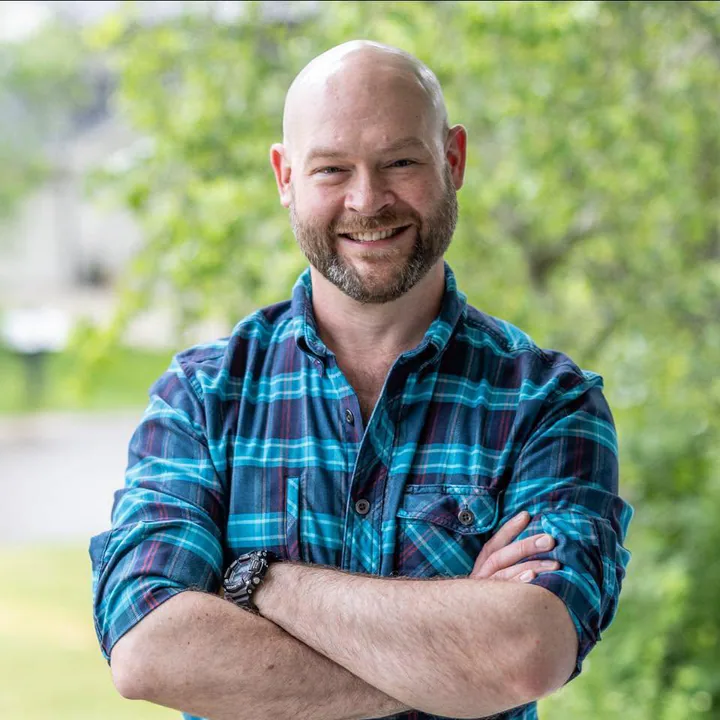
- Office
- County Commissioner, Dakota County District 6
- State
- Minnesota
- Status
- On the general ballot
- Election
- Election held Nov 3, 2026
- Result
- Counting
Build a campaign strategy for Jacob Borealis
About Jacob Borealis
Experience
- RSM US LLP, Data & Analytics Delivery Leader · 2022 – present
- MOBĒ, Senior Business Intelligence Analyst · 2018 – 2021
- Novus Media Inc, Campaign Analyst · 2015 – 2018
- Bluestem Brands, Inc., Senior Marketing Analyst · 2014 – 2015
- UnitedHealth Group, Senior Business Analyst · 2013 – 2014
- Target, Data Analyst · 2011 – 2013
Where Borealis stands
Campaign site, updated Nov 8, 2026. The campaign's issues page
Health & Human Services
A safety net that catches people
- Medical Assistance is a right. The county should protect and expand access for every eligible Dakota County resident.
- Mental health crises call for a mental health response. Trained crisis professionals, not law enforcement, should lead behavioral health calls. Dakota County has embedded social workers across the majority of its public safety agencies, and that program should receive sustained funding.
- No neighbor should go hungry because outreach programs lacked staff or funding. County government has the tools and the responsibility to address food insecurity within its borders.
Dakota County runs Medical Assistance, mental health crisis response, and food support. Residents across the county depend on these services. They are the floor no neighbor should fall below, and the Board of Commissioners sets the conditions under which they are funded and delivered.
Dakota County built a strong crisis response system and funded much of it with one-time ARPA dollars that are now running out. The county receives 2.9% of state crisis response funds while representing 8% of the state’s population. That funding gap is a structural injustice, and the Board can address it.
Children, Youth & Families
Investing in children benefits everyone
- Child protection caseworkers need adequate staffing so every report receives a timely, thorough response. Staffing costs far less than the human cost of harm that goes unaddressed.
- Reaching families before a crisis is more humane and more effective than responding after one. Early childhood investment is the right use of county resources.
- Youth mental health services and diversion programs rest on the belief that intervention is better than incarceration, for young people and for the community.
As a parent of two children in Dakota County schools, I believe the county’s investment in children shapes what kind of community we become. That investment includes child protection, early childhood programs, and youth services. These programs are infrastructure, so they should stay funded when budgets tighten.
Public Safety & Emergency Services
Public Safety & Emergency Services
Safety goes beyond enforcement
- Incarceration alone does not make communities safer. Community corrections programs that support reintegration serve everyone better, including the people who were harmed.
- Accountability and transparency in law enforcement support public safety. They are preconditions for the public trust that safety depends on.
- A significant share of law enforcement contacts involve people in mental health crisis, and those contacts go better when a trained crisis responder is involved. County resources should expand and sustain that capacity.
Public safety is a core responsibility of county government, and it takes more than a Sheriff’s budget. A community that addresses the root causes of crime, such as mental illness, housing instability, and poverty, is safer than one that incarcerates more people. Community corrections, diversion, and upstream investment in basic needs lead to public safety.
During the federal law enforcement surge in the metro, I worked directly with community members and rapid-responders whose Constitutional rights were being violated. I brought a verification protocol policy to the Dakota County Board, and the board declined to adopt it. Transparency about enforcement activity, including what is happening, under what authority, and with what oversight, is a legitimate public safety concern and belongs in the conversation.
- Violence grows from poverty, trauma, and lack of opportunity. Addressing those conditions reduces violence.
Jobs, wages & the economy
Economic & Community Development
Opportunity should reach every zip code
- Workforce development and job training programs should fit the actual needs of workers, particularly those displaced by industry changes or structural unemployment. The county’s employment services connect residents to jobs and employers to qualified candidates.
- Behavioral health systems affect workforce participation and employer costs. A county that invests in mental health and crisis response serves vulnerable residents and strengthens the workforce environment for every employer in the region.
- County procurement and contracting should be accessible to small businesses, including businesses owned by people of color, women, and other historically underrepresented groups.
County government shapes economic opportunity through workforce development, job training, and the services that keep working families stable. A rising tide lifts all boats only when there are deliberate efforts to give everyone access to the water.
- The Dakota County Community Development Agency offers financing programs, first-time homebuyer assistance, and affordable rental development. Zoning belongs to municipalities, and that should stay the same. The county can use its financial tools and regional relationships to fill gaps that individual cities cannot address alone.
Transportation & Motor Vehicles
Transportation & Motor Vehicles
Infrastructure should serve everyone who lives here
- Maintenance of existing county roads comes before new expansion. What the county has should work before it builds more.
- Many residents do not drive, and county transportation investment should reflect that. Trail and active transportation networks show that the county serves all its residents, including those without cars.
- Transit that connects residents to employment and services expands opportunity for people without a car.
Dakota County maintains hundreds of miles of roads and trails and makes decisions that shape how residents move through the region. In a fast-growing community like Lakeville, infrastructure investment is a justice issue. It determines who can get to work, school, and services, and who cannot.
Environment, Energy & Utilities
Environment, Energy & Utilities
Clean water and green space are core county concerns
- Water quality in the county’s lakes and rivers is a shared public resource and deserves strong protection, including accountability for stormwater runoff and agricultural pollution.
- Parks and open spaces should be distributed equitably. Green space should reach lower-income communities as well as wealthier ones.
- Responsible land use planning balances the county’s growth with the preservation of what makes it worth growing into. Whether development is good depends on what is built, for whom, and at what cost to what already exists.
Growing up in northern Minnesota and raising my family here, I know that clean water, healthy land, and accessible green space are part of what makes a community worth living in. Land use decisions made today shape Dakota County for decades, and those decisions carry moral weight.
State Government, Ethics & Administration
State Government, Ethics & Administration
Accountability means investing wisely
- Mandated services for vulnerable residents get protected first. Where reductions become unavoidable, they follow evidence rather than guesswork, so the most vulnerable residents do not pay for decisions made on assumptions.
- Outcome-based reporting for county programs identifies where investment is working and where it needs strengthening.
- Budget transparency is a democratic value. Residents have a right to understand where their tax dollars go and what those dollars accomplish, in plain language.
I’ve spent my career using data to help organizations make better decisions. Rigorous fiscal accountability ensures that every program reaches the people it is meant to serve and delivers results that justify the investment. Fiscal responsibility and progressive values fit together.
Dakota County carries the lowest levy per capita among all seven metro counties: $402 per person, compared with $791 in Ramsey County and $879 in Hennepin County. That gap has persisted since 2005 through roughly 20% population growth. The result is a structural fund balance of 8%, below the State Auditor’s recommended floor of 35–50%. The next Board will work within those numbers.
- Administrative efficiency should serve programs. Savings from better operations should return to direct services instead of tax cuts that benefit those who need county services least.
Quoted from the campaign's website. What a campaign says is weaker evidence than a bill it sponsored or a vote it cast.
Track record
In the candidate's own words
Jacob Borealis is a data leader and a Lakeville neighbor running for Dakota County Commissioner in District 6. He believes county government should work for everyone.
Campaign site, updated Nov 7, 2026.
Attention
- News articles, last 30 days
- 0
- Ads seen, last 30 days
- 0
Updated Nov 26, 2026.
Ran against
Official site and accounts
Filing record
The candidacy record
| Status | True from | Known since |
|---|---|---|
| On the general ballot | — | Oct 14, 2026 |
Updated Oct 31, 2026.