
David Vangorden
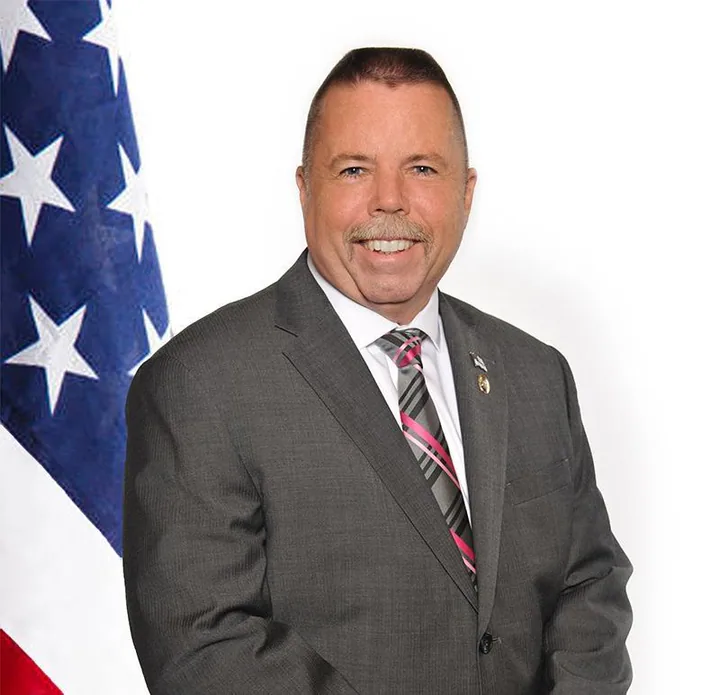
- Office
- Council Member, Rancho Cucamonga city District 2
- State
- California
- Status
- On the general ballot
- Election
- Election held Nov 3, 2026
- Result
- Counting
Build a campaign strategy for David Vangorden
About David Vangorden
Experience
- San Bernardino Sheriff's Academy, Instructor · current
- Police Officer
- Business Owner
Where Vangorden stands
Campaign site, checked Nov 18, 2026. The campaign's issues page
Transportation & Motor Vehicles
Transportation & Motor Vehicles
Overdevelopment & Infrastructure
Approximately 10,000 apartment units are planned or approved throughout Rancho Cucamonga. Growth must be supported by infrastructure before it is completed — not after.
Approximately 10,000 apartment units are planned or approved throughout Rancho Cucamonga. Growth must be supported by infrastructure before it is completed — not after.
Read more →
Responsible Growth for Rancho Cucamonga
Rancho Cucamonga is growing.
Rancho Cucamonga is growing.
Growth itself is not the problem. Growth without infrastructure is.
Over the coming years, approximately 10,000 apartment units are planned or approved throughout Rancho Cucamonga. Many of these projects are large multi-story developments, commonly referred to by residents as “stack and pack housing.”
The scale and pace of this development have raised serious concerns across District 2 and throughout the city.
Growth must be planned. Growth must be balanced. And growth must be supported by infrastructure before it is completed — not after.
Traffic and Infrastructure Concerns
- Increased traffic congestion
- Longer commute times
- Strain on intersections and signals
Foothill Boulevard — historic Route 66 — is already one of the most congested corridors in Rancho Cucamonga.
Many new apartment complexes are being built directly along or near Foothill Boulevard. As these units are completed, thousands of additional vehicles will enter local streets daily.
Residents consistently raise concerns such as:
Before approving high-density housing, city leadership must ask:
Is the infrastructure truly ready?
Infrastructure should lead development — not chase it.
- Emergency vehicle access delays
- Pressure on water, sewer, and utility systems
The Infrastructure Question
- Will roads and traffic infrastructure keep pace?
- Will water and utility systems support the increase?
- Will police and fire services expand accordingly?
Whenever thousands of additional homes are proposed, residents begin asking practical questions:
These are not political questions.
They are common-sense planning questions.
Responsible city planning should always ask the same basic question:
Growth without infrastructure is not progress.
- How will schools and community services be affected?
Height and Precedent
Most current apartment projects are four stories.
Most current apartment projects are four stories.
However, a seven-story development has been proposed at the northwest corner of Spruce Avenue and Red Oak Street.
Height matters.
When new height benchmarks are approved, they often become precedent for future projects.
Residents reasonably ask: "If seven stories is acceptable today, what becomes acceptable tomorrow?"
City planning decisions shape the character of Rancho Cucamonga for decades. These decisions deserve careful public discussion.
Etiwanda Heights and Community Character
The proposed Etiwanda Heights development has also generated strong resident interest and concern.
The proposed Etiwanda Heights development has also generated strong resident interest and concern.
Many residents moved to Rancho Cucamonga because of its balance between residential neighborhoods, open space, and community character.
Growth decisions should preserve what makes Rancho Cucamonga desirable, not overwhelm it.
Development must reflect long-term vision — not short-term pace.
Neighborhood Stability
- Parking overflow
- Increased traffic on residential streets
- Pressure on nearby schools
Large-scale increases in density can change neighborhood character.
Residents often express concern about:
Responsible planning includes evaluating how new high-density housing integrates with existing neighborhoods.
- Long-term stability of surrounding single-family areas
Independence in Decision-Making
Developers are legally allowed to make campaign contributions.
Developers are legally allowed to make campaign contributions.
However, I have made the decision not to accept developer campaign contributions.
Not because development is inherently wrong — but because independence matters.
Residents deserve to know that decisions about Rancho Cucamonga apartments, infrastructure, and planning are made solely in the public interest.
What I Will Do
- Advocate for infrastructure-first planning
- Question height increases that alter community character
- Push for stronger traffic mitigation standards
If elected to the Rancho Cucamonga City Council, I cannot reverse projects that are already legally approved.
But I can:
Even a 4–1 vote begins restoring independent discussion.
- Encourage measured pacing of new approvals
- Ensure residents are fully heard before major decisions
The Goal: Responsible Growth
This is not about stopping growth.
This is not about stopping growth.
It is about guiding growth responsibly.
Rancho Cucamonga deserves thoughtful planning, balanced development, and infrastructure that supports residents — not strains them.
Growth without infrastructure is not progress.
Learn more about the Rancho Cucamonga City Council, districts, and how meetings work →
State Government, Ethics & Administration
State Government, Ethics & Administration
Community amenities matter. So does transparency about how they are funded and maintained.
I support parks.
I support parks.
I support recreation.
And I support community spaces that bring residents together.
The Central Dog Park is a popular amenity in Rancho Cucamonga and many residents enjoy taking their pets there. Community spaces like this can improve quality of life and help strengthen neighborhoods.
But when a public project exceeds its expected costs or raises questions about maintenance, residents deserve clear answers about how the project was funded and how it will be maintained over time.
Transparency builds trust.
Who Was On The Council Then — And Who Is On The Council Now?
- Mayor Dennis Michael
- Councilmember Lynne Kennedy
- Councilmember Ryan Hutchison
When residents look at long-term planning decisions, it is helpful to understand who was serving on the City Council when those decisions were made.
When the Etiwanda Heights plan was adopted in 2019, the council included:
Today, the council includes:
In other words, four of the five positions remain largely the same today as they were in 2019.
Long-term development decisions often span multiple council terms, which is why transparency and consistent communication with residents are so important.
Understanding the history of these decisions helps residents better understand how large planning changes occur over time.
- Councilmember Kristine Scott
- Councilmember Sam Spagnolo
- Mayor Dennis Michael
- Councilmember Lynne Kennedy
- Councilmember Ryan Hutchison
- Councilmember Kristine Scott
- Councilmember Ashley Stickler
Why Residents Are Asking Questions
- notice of meetings appeared limited
- the Planning Commission vote occurred during the holiday season
- and the developer did not host a public meeting prior to the vote
Many residents who attended recent meetings have expressed concerns about how the amendment process unfolded.
Some residents have stated that:
These concerns do not automatically mean anything improper occurred.
But they do show why residents want greater transparency and earlier communication when major projects are proposed.
Public trust grows when residents feel informed early in the process.
4. Protect the Integrity of Public Assistance Programs
- Monitoring misuse
- Enforcing existing laws
- Ensuring assistance is used as intended
Programs like EBT are designed to help people buy food and meet basic needs. If there is abuse—whether by individuals or merchants—there should be accountability. That means:
State Budget, Bonds & Finance
Common Sense Spending for Rancho
Every dollar the City spends is your dollar. Residents deserve transparency, accountability, and common sense budgeting.
Every dollar the City spends is your dollar. Residents deserve transparency, accountability, and common sense budgeting.
Rancho Cucamonga is a great city. But like every city, it must make choices about how taxpayer money is spent.
When major projects are approved — whether for equipment, parks, buildings, or entertainment facilities — residents have the right to understand the full cost, long-term impact, and trade-offs involved.
This page is not about attacking anyone. It is about asking reasonable questions and encouraging responsible stewardship of public funds.
Because fiscal responsibility is not political. It's common sense.
Wasteful Spending & Common Sense Budgeting
Every dollar the City spends is your dollar. Residents deserve transparency, accountability, and common sense budgeting on major projects.
Every dollar the City spends is your dollar. Residents deserve transparency, accountability, and common sense budgeting on major projects.
Read more →
Electric Fire Engine – Innovation or Financial Tradeoff?
- What was the total purchase price?
- How does that compare to a standard diesel engine?
- Was a lifecycle cost analysis presented before approval?
Rancho Cucamonga Fire District has added an all-electric fire engine to its fleet.
Supporters describe this vehicle as innovative, environmentally forward-thinking, and beneficial for firefighter health and emissions reduction.
However, electric fire apparatus typically carry a higher upfront purchase cost than traditional diesel engines. Long-term maintenance, battery replacement cycles, and charging infrastructure must also be considered.
Residents may reasonably ask:
Public safety is essential. The question is not whether firefighters deserve the best equipment — they do.
The question is whether every major purchase reflects the best balance between innovation and fiscal responsibility.
(Insert verified cost data and council agenda links here once researched.)
- What are the projected long-term maintenance and battery replacement costs?
Understanding How the Dog Park Was Funded
- It does not cost nothing to residents
- It still has an opportunity cost
- It may displace other capital priorities
The City has stated that the dog park was funded primarily through grants and developer impact fees, rather than the City's General Fund.
Developer impact fees are funds collected when new development projects are approved. These fees are intended to help offset the increased demand that growth places on infrastructure, parks, and other public facilities.
Because these funds do not come directly from the City's General Fund, officials often say the project did not cost taxpayers.
However, it is important to understand what that actually means.
Developer impact fees are still city-controlled public funds collected as part of the development process. They represent money that the City allocates toward certain projects and priorities.
That also means:
Every allocation of public funds involves choices.
Questions About Project Costs
- What was the original project budget?
- What was the final project cost?
- What improvements or changes increased the cost?
Public reports indicate that the dog park project ultimately exceeded its original grant funding.
When public projects grow beyond their original estimates, residents naturally ask questions such as:
These are normal questions residents ask about any major public project.
Clear explanations help maintain public confidence in how decisions are made.
- Were additional funds approved after the project began?
Dog Park Investment – Budget Priorities
- What was the original project budget?
- What was the final project cost?
- How much came from grants versus City funds?
The City received grant funding to construct a new dog park. Grants can be helpful in supporting community amenities.
However, when projects expand beyond original grant funding, residents deserve clarity about total costs and funding sources.
Residents may reasonably ask:
Public art and sculptures are often included in civic projects. When added, residents may ask:
These are not criticisms. They are accountability questions.
(Insert verified budget and sculpture cost details here once researched.)
- Were additional enhancements added beyond the original scope?
- How was the decision made to include these features?
- What was the cost?
- How were competing priorities evaluated?
Public Art and the $20,000 Sculpture
The dog park also includes a decorative sculpture reportedly costing approximately $20,000, created by Nevada-based artist Seth Johnson and shipped to Rancho Cucamonga.
The dog park also includes a decorative sculpture reportedly costing approximately $20,000, created by Nevada-based artist Seth Johnson and shipped to Rancho Cucamonga.
Public art can enhance community spaces and create memorable landmarks.
At the same time, some residents have asked whether future projects could also consider opportunities for local artists.
For example, a public competition among Rancho Cucamonga artists could encourage local creativity while keeping more economic activity within the community.
This is not criticism of the artwork or the artist.
It is simply a broader conversation about how public projects can support local talent and community identity.
Maintenance Concerns Raised by Residents
During recent City Council meetings, several residents spoke during public comment about the current condition and maintenance schedule of the dog park.
During recent City Council meetings, several residents spoke during public comment about the current condition and maintenance schedule of the dog park.
Speakers noted that the park includes three separate activity areas, but that only one section has been open for regular use, with the others remaining closed for extended periods.
Some residents suggested that rotating access between sections could help reduce wear and allow sections of the park to recover.
Residents also expressed concerns about odor and sanitation issues, including the smell of dog urine and waste.
One speaker compared Rancho Cucamonga's maintenance schedule to the nearby dog park in Upland, noting that Upland reportedly cleans its dog park daily, while Rancho Cucamonga's park has been described as being cleaned approximately once per week.
These comments highlight an important issue with public facilities:
Building a park is only the first step.
Long-term maintenance determines the quality of the experience residents receive.
LoanMart Field – Community Asset or Financial Tradeoff?
- What are the total public renovation costs?
- What is the annual maintenance cost?
- What is the annual lease revenue?
LoanMart Field has been home to the Rancho Cucamonga Quakes for decades.
The City recently renewed a long-term lease agreement to keep the team in Rancho Cucamonga.
Public reporting indicates that the team's annual lease payment does not fully offset renovation and maintenance costs.
City officials have described the stadium as a "loss leader," meaning the facility may operate at a financial loss but is expected to generate secondary economic benefits for surrounding businesses.
Residents may reasonably ask:
Baseball is enjoyable. Community identity matters.
But so does understanding the full financial picture.
(Insert verified lease amount, renovation cost, and usage data here once researched.)
- How often is the stadium used outside baseball season?
- Could expanded events increase revenue?
What Residents Expect
Residents who use the dog park want it to succeed.
Residents who use the dog park want it to succeed.
Most of the comments made during public meetings reflected that same sentiment: people appreciate the park and want it to remain clean, safe, and enjoyable.
That raises a broader planning question:
When the City invests in new facilities, are adequate resources being allocated to maintain them properly over time?
Responsible planning considers not only the initial construction cost, but also the ongoing cost of maintenance and upkeep.
What Should Come First?
- Road and infrastructure improvements
- Traffic congestion mitigation
- Public safety staffing
Every city faces trade-offs.
When millions of dollars are committed to major projects, those funds are not available for:
Residents may ask:
Is this the best use of our money right now?
That question is not negative. It is responsible.
- Neighborhood improvements
- Emergency preparedness
The Bigger Principle
- how projects are funded
- how costs change during construction
- and how facilities will be maintained in the future
Projects like the dog park remind us that public spending always involves priorities.
Even when funding comes from grants or impact fees rather than the General Fund, those funds still represent choices about how resources are used.
Residents deserve to understand:
Transparency builds trust between City Hall and the community.
David's Common Sense Approach
- Support transparent cost-benefit reviews before major expenditures
- Prioritize infrastructure and public safety
- Encourage broader public input on large capital projects
If elected to the Rancho Cucamonga City Council, David VanGorden will:
David is not running to criticize the past.
He is running to ensure future decisions reflect common sense budgeting and the priorities of residents — not politics.
Because growth without fiscal discipline is not progress.
And representation without accountability is not leadership.
Learn more about the Rancho Cucamonga City Council, districts, and how meetings work →
- Ask clear questions about long-term operating costs
- Explain his votes openly and honestly
David VanGorden's Position
- Major projects include clear cost comparisons and explanations
- Funding sources are communicated transparently
- Long-term maintenance costs are considered before projects are approved
I am not opposed to parks.
I am not opposed to public art.
And I certainly support spaces where residents can enjoy time with their families and pets.
What I believe residents deserve is clear explanations and responsible spending.
If elected, I will work to ensure that:
Good government is not about criticizing projects after they are built.
It is about making sure residents understand how decisions are made before they happen.
Because spending without clarity erodes trust.
And transparency strengthens it.
- Public funds are used in ways that reflect community priorities
Municipal & Local Government
A Question of Priorities
I support libraries.
I support libraries.
I support reading, education, and community space.
But I also believe that when the City commits $28 million to a single project, residents deserve to understand exactly what they're getting — and what trade-offs come with it.
The Westside Library Expansion Project, also referred to as the Archibald Library Resiliency Project, is estimated to cost approximately $28 million.
The City has stated that $6.5 million comes from a California State Library grant, and that the City is providing a $6.5 million match. The City has also indicated it is seeking an additional $5 million to support certain upgrades, including solar and battery storage.
That naturally leads to a few reasonable questions.
Where Is the City's $6.5 Million Coming From?
- Which fund provided the City match?
- Was this drawn from reserves, capital improvement funds, impact fees, or another allocation?
- What projects were delayed, reduced, or deprioritized to make this possible (if any)?
When the City provides a $6.5 million match, that money must come from somewhere.
Residents deserve clarity on:
Every dollar allocated to one project is a dollar that cannot be used elsewhere.
Transparency builds trust.
Westside Library Project
The City is committing $28 million to a single library project. Residents deserve to understand exactly what they're getting — and what trade-offs come with it.
The City is committing $28 million to a single library project. Residents deserve to understand exactly what they're getting — and what trade-offs come with it.
Read more →
What Does the Additional $5 Million Mean?
- Was the project approved before all funding was fully secured?
- If outside funding is not obtained, will the City cover the gap internally?
- If so, from which budget category — and what is the impact elsewhere?
The City has indicated it is seeking an additional $5 million to complete certain resiliency upgrades.
Residents may reasonably ask:
Responsible budgeting means understanding the full cost before commitments are finalized.
Central Dog Park
Community amenities matter — but so does transparency about how they are funded and maintained. Residents are asking questions about costs and upkeep.
Community amenities matter — but so does transparency about how they are funded and maintained. Residents are asking questions about costs and upkeep.
Read more →
What Is a "Library of Things"?
- Ongoing purchasing and replacement
- Staffing and tracking
- Maintenance and storage
The new facility will include an expanded "Library of Things" area.
Across the country, this can include lending items such as tools, equipment, technology, and specialty gear.
The concept is expanded access.
But expansion also brings long-term responsibilities:
Residents may reasonably ask whether these additions represent the core mission of a public library — or whether they expand operating costs beyond what was originally intended.
The larger question isn't whether these programs are creative.
It's whether they align with our most urgent priorities as a city.
- Administrative oversight
New Library Expansion – Long-Term Financial Impact
- What are the total construction costs?
- What portion is covered by grants?
- What is the long-term annual operating cost?
Rancho Cucamonga is investing approximately $28 million in the expansion and relocation of a library facility.
Modern libraries today often include expanded programming, community spaces, and equipment lending services.
Residents may reasonably ask:
Libraries are valuable community assets. But every large capital investment should be evaluated in the context of roads, public safety, and infrastructure capacity.
Fiscal responsibility means weighing long-term commitments carefully.
(Insert verified cost breakdown and council documentation once researched.)
- How does this investment compare with other infrastructure priorities?
Cooling Center & Battery Storage
- How frequently is the facility expected to serve in that capacity?
- What specific systems will remain operational during emergencies — and for how long?
- What is the total cost of the resiliency upgrades?
The City has stated that the new library will function as a designated cooling center and include battery storage to provide reliable power during emergencies.
A cooling center provides relief during extreme heat events.
Battery storage allows certain systems to operate during power outages.
These are legitimate goals.
But residents may ask:
Emergency preparedness is important.
So is evaluating cost relative to benefit.
- Could similar emergency services be distributed more broadly across neighborhoods?
What Happens to the Current Archibald Library Site?
- Will it remain a public asset?
- Will it be repurposed?
- Will residents have input before any decision is made?
If services are relocated, residents deserve clarity about the future of the existing Archibald Library property.
Clear communication now prevents speculation later.
The Bigger Question
- Traffic congestion
- Infrastructure strain
- Rapid development
If the City is spending $28 million, what exactly are we buying — and what are we not funding instead?
That is not criticism.
That is responsible governance.
At a time when Rancho Cucamonga faces:
Residents deserve leadership that evaluates every major expenditure through a simple lens:
Is this the best use of taxpayer dollars right now?
- Public safety concerns
My Position
- Ask for full lifecycle cost analysis before major approvals
- Ensure funding sources are clearly disclosed and easy to understand
- Evaluate operating costs, not just construction costs
I am not opposed to libraries.
I am opposed to spending without clear priorities and full transparency.
If elected, I will:
Good government is not about cutting everything.
It's about common sense budgeting.
Because growth without infrastructure is not progress.
And spending without accountability is not leadership.
- Prioritize infrastructure, public safety, and long-term sustainability
- Explain my votes openly and honestly
Send Me Your Questions
If you have questions about this project or other City spending priorities, I want to hear from you.
If you have questions about this project or other City spending priorities, I want to hear from you.
Read Wasteful Spending & Common Sense Budgeting
Read Overdevelopment & Infrastructure
Homelessness & poverty
Housing & Land Use
Residents Are Speaking Up — And They Deserve to Be Heard
- Encampments near homes and businesses
- Trash and sanitation issues
- Safety concerns for families and employees
Over the past several months, I've had more and more residents stop me—at community events, while walking neighborhoods, and even at City Council meetings—to talk about one issue:
Homelessness in Rancho Cucamonga
At a recent City Council meeting, one resident stood up and shared concerns about what they're seeing—people camping in shopping centers, trash being left behind, and a growing sense that things are changing in our city.
After speaking, she left the chamber.
I followed her out to continue the conversation.
What happened next wasn't planned. It wasn't organized. It just happened.
About 15 other residents got up and left the meeting as well—and joined us.
Out in the hallway, they began sharing their concerns:
No microphones. No formal speeches. Just residents talking—honestly—about what they're experiencing.
That moment stuck with me. Because it made one thing very clear:
People don't feel heard. And they're looking for someone who will listen.
- A feeling that the city is not addressing the problem
Let's Be Honest About What's Happening
- Some individuals are struggling with mental illness or addiction
- Some are experiencing temporary financial hardship
- Some have chosen to live outside traditional housing systems
Homelessness is not a simple issue, and pretending it is won't solve anything.
There are different situations within the homeless population:
Treating all of these situations the same way doesn't work.
And ignoring the problem doesn't work either.
What Other Cities Are Doing (And What We Can Learn)
- Dedicated response teams that combine law enforcement, outreach, and housing services
- Navigation centers and shelters that provide a pathway off the streets
- Prevention programs to keep people from becoming homeless in the first place
Cities similar in size to Rancho Cucamonga are not relying on one approach—they are using coordinated strategies:
The cities making progress are balancing compassion with accountability.
- Clear enforcement policies for camping, trespassing, and public safety violations
A Common-Sense Approach for Rancho Cucamonga
This is not about being "for" or "against" anyone. It's about doing what works.
1. Help Those Who Want Help
- Shelter
- Mental health services
- Job assistance
We should expand outreach and make it easier for individuals to access:
If someone is willing to take that step, the city should be ready.
- Transitional housing
Homelessness
Residents are speaking up about encampments, safety concerns, and a feeling the city isn't addressing the problem. A practical approach balances compassion with accountability.
Residents are speaking up about encampments, safety concerns, and a feeling the city isn't addressing the problem. A practical approach balances compassion with accountability.
Read more →
3. Set Clear Boundaries in Our Community
- Trespassing
- Public camping
- Littering and sanitation
Residents should not have to deal with encampments in shopping centers, trash and hazardous conditions, or ongoing public safety concerns.
After offering help and resources, rules need to be enforced. This includes laws related to:
5. Explore All Viable Solutions
- Transitional housing options
- Partnerships with county and regional services
- Evaluating underutilized facilities that could serve a purpose
We should be open to practical, structured solutions that help move people off the streets and into stable environments. This includes:
No idea should be dismissed without thoughtful review.
This Is About Balance
- Compassion for those who need help
- Accountability for behavior that impacts the community
- Practical solutions that actually work
The conversation around homelessness often gets pushed to extremes. But most residents I speak with aren't looking for extremes. They're looking for balance:
Where I Stand
- Asking the right questions
- Listening to residents
- Looking at what works in other cities
I'm not interested in making promises that sound good but go nowhere. I'm interested in:
Because at the end of the day, this city belongs to all of us. And every resident deserves to feel safe, heard, and respected.
- Putting forward solutions that make sense for Rancho Cucamonga
Let's Keep the Conversation Going
- What are you seeing?
- What concerns you most?
- What solutions do you think would help?
If homelessness is impacting your neighborhood or business, I want to hear from you.
Because the best decisions don't come from City Hall alone—they come from the people who live here every day.
Share your thoughts with David →
Housing & Land Use
Understanding the Background
- How did the project change from earlier expectations?
- Were residents fully informed about those changes?
- Is infrastructure keeping pace with development?
Rancho Cucamonga is a city many of us chose because of its balance — beautiful open space, safe neighborhoods, and thoughtful growth.
In recent months, many residents have contacted me about the Etiwanda Heights development proposal and the changes being considered for that area.
People are asking important questions:
These are fair questions.
And they deserve thoughtful answers.
Understanding the Background of the Plan
- why the changes are being proposed
- what the long-term impacts will be
- and how infrastructure will support that growth
In 2019, the City of Rancho Cucamonga approved the Etiwanda Heights Neighborhood and Conservation Plan.
At the time, the plan included a framework that limited development in the area to approximately 3,000 homes, along with preserved open space.
More recently, a proposal has been introduced that could increase that number to approximately 6,000 homes.
Any major change of that size naturally raises questions among residents.
When development plans evolve over time, the public deserves a clear explanation of:
Growth itself is not the issue.
The issue is how that growth is planned and communicated.
My Perspective
- transparency
- responsible infrastructure planning
- and meaningful public input
I believe Rancho Cucamonga can continue to grow responsibly while still protecting the qualities that made this city special in the first place.
Development should never outpace infrastructure.
And residents should never feel like major planning decisions are happening without their voices being heard.
As I have said throughout this campaign:
Growth without infrastructure is not progress.
Good planning requires:
Those principles should guide every major decision affecting the future of our city.
Public Safety & Emergency Services
Public Safety & Emergency Services
Grove and Foothill: Border Considerations
- Traffic distribution
- Infrastructure burden
- Long-term economic impact
The Grove and Foothill project sits near the boundary between Rancho Cucamonga and Upland.
Whenever high-density housing is built near city borders, it raises important planning considerations, including:
Responsible development requires a full evaluation of how residential growth affects both infrastructure costs and revenue balance.
- Sales tax retention
Housing shortage & rents
Housing & Land Use
Etiwanda Heights Development
A proposal could double the originally planned homes from 3,000 to 6,000. Residents are asking how infrastructure will keep pace and why the plan changed.
A proposal could double the originally planned homes from 3,000 to 6,000. Residents are asking how infrastructure will keep pace and why the plan changed.
Read more →
Mental health & youth crisis
Health & Human Services
2. Address Mental Health and Addiction — The Right Way
For individuals who are unable to care for themselves due to serious mental illness or substance abuse:
For individuals who are unable to care for themselves due to serious mental illness or substance abuse:
Doing nothing is not compassion.
California law already allows for structured intervention and treatment when necessary. We should be using those tools.
Quoted from the campaign's website. What a campaign says is weaker evidence than a bill it sponsored or a vote it cast.
Track record
In the candidate's own words
Rancho Cucamonga City Council Candidate District 2
David VanGorden
Campaign site, checked Nov 17, 2026.
Attention
- News articles, last 30 days
- 0
- Ads seen, last 30 days
- 0
Updated Nov 26, 2026.
Ran against
Official site and accounts
Filing record
The candidacy record
| Status | True from | Known since |
|---|---|---|
| On the general ballot | — | Nov 17, 2026 |
Updated Nov 17, 2026.