
David Donahue
On the ballot as David Phillip Donahue
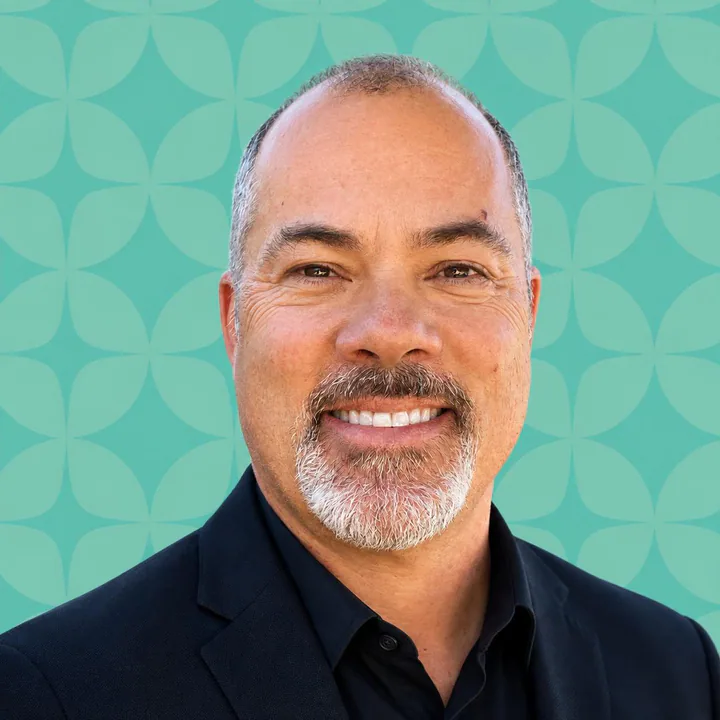
- Office
- Council Member, Burbank city
- State
- California
- Status
- On the general ballot
- Election
- Election held Nov 3, 2026
- Result
- Counting
Build a campaign strategy for David Donahue
About David Donahue
Experience
- Small Business, Owner · current
- Restaurant, Server
- Stock Broker
- Jewelry Store
Where Donahue stands
Campaign site, checked Nov 26, 2026. The campaign's issues page
Transportation & Motor Vehicles
Transportation & Motor Vehicles
Stop Metro's Attempt to Remove 2 of Lanes of Traffic on Olive Avenue
David will fight to block Metro’s proposal to reduce Olive Avenue to a single travel lane in each direction, preserving existing road capacity to prevent gridlock, protect surrounding neighborhoods from spillover traffi…
David will fight to block Metro’s proposal to reduce Olive Avenue to a single travel lane in each direction, preserving existing road capacity to prevent gridlock, protect surrounding neighborhoods from spillover traffic, and stop state mandates like SB 79 from triggering 4- to 9-story apartment buildings with no required parking.
Metro’s BRT has gotten significantly worse with the passage of SB 79 which would allow for up to 5 to 7 story apartment buildings within ½ of any TOD bus stop on Olive Ave. This will devastate our cities plans to add over 8k housing mandated by the state. It’s not just the cost, Billions of dollars, or the increase in traffic, cut through traffic during rush hour, it is how we are going to have to pay for this. The state of CA has by decree said you must allow this and figure out how to pay for it. And there’s only one way to do that, increase property taxes, BWP fees, and every other imaginable way the city could collect funds. It’s not sustainable.
The state has given us an unfunded mandate with the threat of SB1361 which would make it illegal for us to push back. David will fight back against Metro and the electeds who have bent the knee to those in Sacramento at the expense of our community.
Economic & Community Development
Economic & Community Development
Keep Production in Burbank
Safeguard local economic growth by offering targeted incentives to keep film, television, and digital production tied directly to our community, working hand-in-hand with our local, state, and federal elected officials.
Safeguard local economic growth by offering targeted incentives to keep film, television, and digital production tied directly to our community, working hand-in-hand with our local, state, and federal elected officials.
The entertainment industry must be protected. Anyone living in Burbank knows individuals who work in the industry and have seen their jobs eliminated, relocated, or reduced over the years.
Production has left Burbank largely due to cost; other states and countries have made production more affordable than it is in our own backyard. To address this, the city must incentivize production and help reduce costs. We need to acknowledge that production companies must remain profitable to stay here.
The city can do its part by reducing permit fees and actively advocating at the state level. Rather than just forming a film commission, leadership should directly lobby senators and assembly members to help them understand that these job losses hurt our entire community. We need to lower costs and advocate for better tax credit qualifications that support local production.
Burbank needs leadership that understands and acts on these economic realities.
Electricity bills & data centers
Electricity bills & data centers
Environment, Energy & Utilities
Lower Our Electric Bills
Top-down state regulations threaten to drive local utility costs out of reach over the coming decades. We are leveraging local statutory authority and challenging state regulators directly to protect Burbank ratepayers…
Top-down state regulations threaten to drive local utility costs out of reach over the coming decades. We are leveraging local statutory authority and challenging state regulators directly to protect Burbank ratepayers and keep energy costs affordable.
One of the most complex issues facing our community and others across the state is the rising cost of electricity. Due to fluctuating tiers, many residents are seeing increases of over 25% in their utility bills.
This trend is largely driven by state policies. For instance, regulations restrict the specific types of renewable energy that Burbank Water and Power (BWP) is allowed to purchase. Furthermore, large hydroelectric dams are excluded from qualifying as renewable energy sources due to political decisions.
• Economic Harm Relief
Under California Code of Regulations (CCR) Title 20 § 3206 and state RPS law, the City Council—acting as the governing board of Burbank Water and Power (BWP)—can hold a properly noticed public meeting to delay or adjust…
Under California Code of Regulations (CCR) Title 20 § 3206 and state RPS law, the City Council—acting as the governing board of Burbank Water and Power (BWP)—can hold a properly noticed public meeting to delay or adjust renewable procurement targets if long-term contracts cause significant economic harm to ratepayers.
• Statutory Compliance Flexibility
Leverage explicit state exemptions under Title 20 if transmission limitations, permitting delays, or unforeseen curtailments prevent cost-effective renewable procurement.
• Hydroelectric Offsets
Adjust BWP targets proportionally using statutory exemptions if large hydroelectric sources account for more than 50% of the utility’s electricity generation.
• Tier Control Restructuring
Revise local municipal rate structures and tier thresholds to ensure state compliance costs are not disproportionately passed onto residential and small business ratepayers.
Revise local municipal rate structures and tier thresholds to ensure state compliance costs are not disproportionately passed onto residential and small business ratepayers.
State Policies and Mandates Requiring Reform
• CCR Title 20 § 3200–3208 & § 1240
California Energy Commission (CEC) enforcement rules forcing municipal utilities to reach rigid 60% RPS targets by 2030.
• 10-Year Contract Rules
Mandates requiring 65% of renewable energy to come from long-term contracts, locking in inflated prices despite market fluctuations.
• Filing Administrative Petitions
Formally petition the CEC for rulemaking revisions under CCR Title 20 § 1221 to force ratepayer impact evaluations before enforcing new procurement rules.
• Direct Intervention in Agency Proceedings
Testify directly during CEC Integrated Energy Policy Report (IEPR) hearings and CARB Scoping Plan proceedings to demand statutory rate caps and compliance extensions for municipal utilities.
Timeline of Major California Power Supply Mandates
Timeline of Major California Power Supply Mandates
Timeline of Major California Power Supply Mandates
AB 32: Global Warming Solutions Act of 2006
Enacted: September 27, 2006 | Governor: Schwarzenegger
Key Requirements
Mandated a reduction of statewide greenhouse gas emissions to 1990 levels by 2020 (a 15% reduction) and established California's Cap-and-Trade emissions fee program.
Official Legislative Links
CARB AB 32 Fact Sheet | CA Legislative Information AB 32 Text
CARB AB 32 Fact Sheet | CA Legislative Information AB 32 Text
SB 1368: Emissions Performance Standard
Enacted: September 2006 | Governor: Schwarzenegger
Key Requirements
Capped long-term investments for publicly owned utilities in baseload generation and mandated that new long-term contracts emit no more GHG than combined-cycle natural gas generation.
Official Legislative Links
CEC SB 1368 Performance Standards
CEC SB 1368 Performance Standards
AB 2514 / AB 2227: Energy Storage Targets
Enacted: September 29, 2010 | Governor: Schwarzenegger
Key Requirements
Required publicly owned electric utilities to evaluate energy storage options and adopt procurement targets every 3 years.
Official Legislative Links
CEC Energy Storage Mandates Report
CEC Energy Storage Mandates Report
SB X1 2: Renewable Portfolio Standard (33% RPS)
Enacted: April 12, 2011 | Governor: Schwarzenegger
Key Requirements
Established a statutory Renewable Portfolio Standard requiring utilities to reach 33% renewable energy by 2020.
Official Legislative Links
CA Legislative Information SB X1 2 Text
CA Legislative Information SB X1 2 Text
SB 350: Clean Energy and Pollution Reduction Act
Enacted: September 7, 2015 | Governor: Brown
Key Requirements
Raised the RPS requirement to 50% by 2030, doubled energy efficiency targets, and mandated Integrated Resource Plans (IRP) for major utilities.
Official Legislative Links
CEC SB 350 Policy Rules | CA Legislative Information SB 350 Text
CEC SB 350 Policy Rules | CA Legislative Information SB 350 Text
SB 32: Emissions Limit Targets
Enacted: September 8, 2016 | Governor: Brown
Key Requirements
Expanded AB 32 by legally requiring greenhouse gas emissions to drop 40% below 1990 levels by December 31, 2030.
Official Legislative Links
CA Legislative Information SB 32 Text
CA Legislative Information SB 32 Text
AB 1110: Power Source Disclosure
Enacted: September 25, 2016 | Governor: Brown
Key Requirements
Required retail electricity sellers to report annual energy sales broken down by fuel type and greenhouse gas intensity.
Official Legislative Links
CA Legislative Information AB 1110 Analysis | Burbank Water & Power Energy Source Disclosure
CA Legislative Information AB 1110 Analysis | Burbank Water & Power Energy Source Disclosure
SB 100: California Renewables Portfolio Standard Program
Enacted: September 10, 2018 | Governor: Brown
Key Requirements
Accelerated the RPS target to 60% by 2030 and mandated a 100% zero-carbon electricity goal across California by 2045.
Official Legislative Links
CA Legislative Information SB 100 Text
Environment, Energy & Utilities
Environment, Energy & Utilities
Read David's Position Paper on Lowering Burbank Energy Rates
Local Policy Mechanisms to Lower Rates
• Public Utilities Code § 399.30
Statutory authority enabling the California Air Resources Board (CARB) to impose financial penalties on publicly owned utilities based on CEC enforcement referrals.
• Station Facilities & Utilities
Modernizing aging fire stations ensures updated living quarters for diverse crews and energy-efficient systems. Simultaneously, investing in BWP infrastructure supports the utility linemen maintaining grid stability dur…
Modernizing aging fire stations ensures updated living quarters for diverse crews and energy-efficient systems. Simultaneously, investing in BWP infrastructure supports the utility linemen maintaining grid stability during power surges and heatwaves.
PROTECTING OUR ENVIRONMENT
A lifelong commitment to protecting our most precious natural resources.
A lifelong commitment to protecting our most precious natural resources.
Long before running for office, David Donahue built a track record of hands-on environmental stewardship as a leader in San Diego's diving and marine conservation community. As an active member, and later President, of the San Diego Council of Divers, one of the oldest diving organizations in the country, David spent years working at the intersection of public access and environmental protection.
When the invasive "killer algae" Caulerpa taxifolia threatened to devastate San Diego's coastal ecosystems in the early 2000s, David didn't wait for someone else to act. He organized alongside regional scientists and the Southern California Caulerpa Action Team, lobbying for an outright ban on the species and leading grassroots outreach to local aquarium retailers, work that helped shut down the local supply chain and contributed to its full eradication from Southern California waters by 2006.
David also played a hands-on role in creating new marine habitat, supporting the San Diego Oceans Foundation's Project Yukon, a 14-month volunteer effort to strip a decommissioned warship of hazardous materials before it was sunk off Mission Beach to form one of the region's most celebrated artificial reefs. He later helped establish the conservation norms, including a strict "look but don't touch" ethic, that protect the site to this day.
His advocacy reached Camifornia's state Capitol when David testified before a legislative subcommittee on the "Rigs-to-Reefs" program, using firsthand ecological data to argue for preserving marine habitats that had formed on decommissioned oil platforms rather than removing them outright, testimony that helped shape the eventual framework adopted in Assembly Bill 2503.
L1. INVASIVE SPECIES LEGISLATION & BIODIVERSITY PROTECTION
In the early 2000s, Southern California faced a critical ecological threat following the discovery of Caulerpa taxifolia ("killer algae") in Carlsbad’s Agua Hedionda Lagoon. Widely sold by aquarium retailers for its har…
In the early 2000s, Southern California faced a critical ecological threat following the discovery of Caulerpa taxifolia ("killer algae") in Carlsbad’s Agua Hedionda Lagoon. Widely sold by aquarium retailers for its hardy, bright green aesthetic, this non-native species threatened to choke out native eelgrass beds, starve local fish populations, and permanently alter the coastal ecosystem.
• Policy Advocacy
David Donahue mobilized alongside the Southern California Caulerpa Action Team (SCCAT) and regional scientists to lobby San Diego municipal bodies and state lawmakers for an immediate, absolute ban on the sale, possessi…
David Donahue mobilized alongside the Southern California Caulerpa Action Team (SCCAT) and regional scientists to lobby San Diego municipal bodies and state lawmakers for an immediate, absolute ban on the sale, possession, and transport of the species.
• Environmental Impact
These combined legislative and community efforts contributed to a successful $7 million containment strategy, resulting in the official eradication of Caulerpa taxifolia from Southern California waters by 2006.
2. ECOSYSTEM RESTORATION & ARTIFICIAL REEF ADVOCACY (PROJECT YUKON)
During the late 1990s, David Donahue served as a core community leader and advocate supporting the San Diego Oceans Foundation’s landmark initiative: Project Yukon. This project involved the strategic sinking of the 366…
During the late 1990s, David Donahue served as a core community leader and advocate supporting the San Diego Oceans Foundation’s landmark initiative: Project Yukon. This project involved the strategic sinking of the 366-foot Canadian warship HMCS Yukon off Mission Beach to establish a massive artificial reef.
• Regulatory & Coastal Commission Advocacy
Donahue countered opposition from regulatory bodies, including the California Coastal Commission, by presenting environmental data proving that introducing a hard structure to a barren, sandy bottom would create a thriv…
Donahue countered opposition from regulatory bodies, including the California Coastal Commission, by presenting environmental data proving that introducing a hard structure to a barren, sandy bottom would create a thriving, complex marine food web.
Environmental Remediation Safeguards: Donahue and fellow community leaders coordinated a massive volunteer initiative spanning 14 months to strip the vessel of all hydrocarbons, PCBs, plastics, and toxic materials, ensuring the ship met strict environmental safety thresholds prior to its July 2000 deployment.
• Establishing Self-Regulation & Conservation Norms
To protect the newly formed ecosystem, Donahue worked with dive clubs and charter vessels to implement strict "look but don't touch" conservation protocols. This advocacy established an enduring regional culture against…
To protect the newly formed ecosystem, Donahue worked with dive clubs and charter vessels to implement strict "look but don't touch" conservation protocols. This advocacy established an enduring regional culture against spearfishing or harvesting at the site, transforming the Yukon into a marine sanctuary.
3. LEGISLATIVE SUBCOMMITTEE TESTIMONY: "RIGS-TO-REEFS"
David Donahue extended his advocacy to the state level during the legislative debates surrounding California's proposed "Rigs-to-Reefs" program. This policy sought to allow decommissioned offshore oil platforms to be sa…
David Donahue extended his advocacy to the state level during the legislative debates surrounding California's proposed "Rigs-to-Reefs" program. This policy sought to allow decommissioned offshore oil platforms to be safely modified and left in place to preserve the accidental marine habitats that had grown on their underwater steel lattices.
• Subcommittee Testimony
Representing recreational divers and local conservationists, Donahue testified directly before a California legislative subcommittee.
• The Advocacy Position
Utilizing ecological data gathered from San Diego’s "Wreck Alley," Donahue argued that the total removal of these platforms would cause catastrophic collateral damage to the massive colonies of anemones, mussels, and fi…
Utilizing ecological data gathered from San Diego’s "Wreck Alley," Donahue argued that the total removal of these platforms would cause catastrophic collateral damage to the massive colonies of anemones, mussels, and fish that had integrated into the structures over decades.
State Government, Ethics & Administration
State Government, Ethics & Administration
Direct Sacramento Lobbying Strategy
Bypassing Sacramento Bureaucracy:
Bypassing Sacramento Bureaucracy:
Fighting Unelected Regulators Directly for Burbank For over two decades, unelected bureaucrats at the California Energy Commission (CEC) and California Air Resources Board (CARB) have imposed top-down mandates that elevate utility bills and increase the cost of living for Burbank residents and businesses. When state assembly members and senators refuse to stand up to state agencies, the Burbank City Council must bypass the legislative stalemate and advocate directly in Sacramento:
Municipal & Local Government
• Municipal Coalition Building
Partner with the California Municipal Utilities Association (CMUA) and neighboring Southern California public utilities to challenge CARB penalty structures and present a unified legal front.
Housing & Land Use
Ensure Fair Housing for All
Ensure tenants and housing providers are given equal protections to prevent government overreach and keep housing balanced and fair.
Ensure tenants and housing providers are given equal protections to prevent government overreach and keep housing balanced and fair.
We already have rent control and we don’t need more restrictions that hurt renters. Reducing the amount housing providers can charge forces many to defer essential maintenance and repairs. The majority of our local housing providers are "mom and pop" operators who value their tenants, yet everyone is facing the burden of rising insurance, maintenance, and labor costs.
For over three years, the city council has been asked to address these across-the-board cost increases fairly, but the majority has ignored these realities. Despite the city allocating over $1 million to a special group to advocate for tenants, only eight complaints were filed in 2025, and only one moved forward.
We cannot pass ordinances that fail to protect both tenants and housing providers.
Public Safety & Emergency Services
Public Safety & Emergency Services
Fully Fund Our First Responders
Prioritize public safety and utility resilience. Ensure our police, fire departments, and BWP linemen receive competitive compensation, modern equipment, and full staffing to keep Burbank safe and reliable as our commun…
Prioritize public safety and utility resilience. Ensure our police, fire departments, and BWP linemen receive competitive compensation, modern equipment, and full staffing to keep Burbank safe and reliable as our community grows.
Standing Up for Our First Responders & BWP Linemen: David’s Plan for Burbank’s Safety and Resilience
As Burbank grows, protecting the people who protect us is non-negotiable. From our firefighters and paramedics answering emergency calls to our police officers keeping our neighborhoods secure, and our Burbank Water and Power (BWP) linemen keeping our grid energized during extreme weather—our municipal workforce is the backbone of our city's safety and quality of life.
A projected 100% increase in emergency calls for service over the next decade—from roughly 11,000 calls in 2021 to over 20,000 by 2040—demands forward-looking leadership. As a City Council candidate, I am committed to an open-door policy with Burbank Firefighters Local 778, police representatives, and BWP personnel to ensure our frontline workforce has the funding, equipment, and structural support required to protect Burbank.
Read David’s Full Public Safety & Infrastructure Plan
Standing Up for Our First Responders & BWP Linemen: David’s Plan for Burbank’s Safety and Resilience
Standing Up for Our First Responders & BWP Linemen: David’s Plan for Burbank’s Safety and Resilience
As Burbank grows, protecting the people who protect us is non-negotiable. From our firefighters and paramedics answering emergency calls to our police officers keeping our neighborhoods secure, and our Burbank Water and Power (BWP) linemen keeping our grid energized during extreme weather—our municipal workforce is the backbone of our city's safety and quality of life.
A projected 100% increase in emergency calls for service over the next decade—from roughly 11,000 calls in 2021 to over 20,000 by 2040—demands forward-looking leadership. As a City Council candidate, I am committed to an open-door policy with Burbank Firefighters Local 778, police representatives, and BWP personnel to ensure our frontline workforce has the funding, equipment, and structural support required to protect Burbank.
1. Staffing, Recruitment, and First Responder Wellness
• Addressing EMS Workload
Over 70–80% of Burbank Fire Department service calls are Emergency Medical Services (EMS) rather than active fires.
• Planning for City Growth
State-mandated housing targets and residential infill increase call volumes across multi-family housing corridors and commercial zones. Strategic planning must align infrastructure development with fire and paramedic de…
State-mandated housing targets and residential infill increase call volumes across multi-family housing corridors and commercial zones. Strategic planning must align infrastructure development with fire and paramedic deployment.
• Expanding Response Capabilities
We must evaluate 24/7 rescue ambulance coverage, optimize engine company configurations, and expand Fire Prevention Bureau staffing so safety inspections keep pace with state requirements.
We must evaluate 24/7 rescue ambulance coverage, optimize engine company configurations, and expand Fire Prevention Bureau staffing so safety inspections keep pace with state requirements.
3. Wildfire & Climate Vulnerability in the Verdugo Mountains
• Wildland-Urban Interface (WUI) Threats
Burbank’s hillside neighborhoods face persistent wildfire risks driven by dry conditions and seasonal Santa Ana winds.
• Proactive Mitigation
I support aggressive brush clearance enforcement, home-hardening education programs, and expanded defensible space initiatives to stop fires before they spread into residential zones.
• Regional Interoperability
Maintaining seamless mutual aid integration with Glendale, Pasadena, and LA County via the Verdugo Dispatch system ensures swift multi-jurisdictional responses during major disasters.
Maintaining seamless mutual aid integration with Glendale, Pasadena, and LA County via the Verdugo Dispatch system ensures swift multi-jurisdictional responses during major disasters.
4. Infrastructure, Fleet, and Utility Grid Modernization
• Capital Fleet Planning
Specialized fire engines, ladder trucks, and rescue ambulances require years of advance procurement. Replacement cycles must be fully funded ahead of time to avoid operational disruptions.
• Major Regional Projects
Strategic operational planning must account for large-scale developments and high-density transportation corridors. This stands to be one of the most significant factors affecting how we manage expansion.
Strategic operational planning must account for large-scale developments and high-density transportation corridors. This stands to be one of the most significant factors affecting how we manage expansion.
5. Emergency Preparedness & Fiscal Sustainability
• Community Resiliency
Expanding disaster readiness programs—such as the Community Emergency Response Team (CERT) and neighborhood networks—prepares residents to assist emergency personnel during severe seismic events or prolonged grid outage…
Expanding disaster readiness programs—such as the Community Emergency Response Team (CERT) and neighborhood networks—prepares residents to assist emergency personnel during severe seismic events or prolonged grid outages.
• Sustainable Fiscal Support
Public safety and utility upkeep form the foundation of municipal governance. I am committed to allocating long-term municipal budgets that match escalating equipment and healthcare costs without compromising essential…
Public safety and utility upkeep form the foundation of municipal governance. I am committed to allocating long-term municipal budgets that match escalating equipment and healthcare costs without compromising essential city services.
Labor, Employment & Workforce
• Review Mandated Overtime
Minimum staffing mandates combined with high call volumes lead to physical exhaustion and mental burnout. We must optimize shift configurations and maintain adequate reserve ranks to reduce forced overtime.
• Competitive Workforce Retention
To attract and retain top-tier firefighters, paramedics, police officers, and utility linemen in a competitive Southern California hiring environment, Burbank must offer market-competitive compensation, fair health bene…
To attract and retain top-tier firefighters, paramedics, police officers, and utility linemen in a competitive Southern California hiring environment, Burbank must offer market-competitive compensation, fair health benefits, and manageable rotation schedules.
Health & Human Services
• Behavioral & Physical Health Support
Over a 25- to 30-year career, personnel face severe physical hazards and traumatic events. I support expanding comprehensive mental health services, post-traumatic stress counseling, preventative cancer screenings, and…
Over a 25- to 30-year career, personnel face severe physical hazards and traumatic events. I support expanding comprehensive mental health services, post-traumatic stress counseling, preventative cancer screenings, and specialized physical therapy programs.
2. Managing EMS Demand & Urban Densification
Education
• Retailer & Consumer Education
Recognizing that legislative bans require grassroots enforcement, Donahue spearheaded community outreach campaigns targeting San Diego pet shops and aquarium hobbyists. This local educational push dramatically increased…
Recognizing that legislative bans require grassroots enforcement, Donahue spearheaded community outreach campaigns targeting San Diego pet shops and aquarium hobbyists. This local educational push dramatically increased regional compliance and cut off the local supply chain.
Quoted from the campaign's website. What a campaign says is weaker evidence than a bill it sponsored or a vote it cast.
Track record
In the candidate's own words
David had dedicated countless hours of his life in service to his community. Over the last 35 years he has served as Chairman of the Crisis House Anti-Slavery Program to combat human trafficking, advocated for natural resource protections as President of a local Council of Divers, made testimony regarding legislation affecting the marine ecosystem and raised funds for the Boys & Girls Club. And was in the inaugural class of Leadership El Cajon.
David Donahue was born in Loma Linda, California, and raised in the rural outskirts of Little Rock, Arkansas, where the family kept livestock like goats, chickens, and pigs. His childhood was shaped by resilience after a fire destroyed their family home. His family rebuilt from a single-wide mobile home before eventually moving closer into town.
David's parents divorced when he was in elementary school. His mother worked for years as a registered nurse in the ER and later in labor and delivery; his father built his career as a psychiatrist, including years working for Social Security; and his stepfather spent a lifetime as a union electrician.
After graduating high school, David returned to So Cal and worked as a server in a restaurant and at his family's jewelry store while earning an AA at Grossmont Junior College before continuing on to San Diego State. When his grandparents' jewelry business needed a successor, David stepped up, training at the Gemological Institute of America.
David’s next chapter took him through the volatility of the financial markets as a stock broker with a series 7 license, through the dot-com boom and bust. He then settled into Factory built housing, where he built a career, and his own company, specializing in affordable housing solutions across Southern California. Today, David’s company is leading recovery efforts for families rebuilding after the Altadena’s Eaton fire: a full-circle mission shaped by his own personal experience of losing his home as a child.
As President of Burbank Fair Housing and Vision Burbank, David has fought for years for fair housing, private property rights, and local control, standing with neighbors against Metro and the BRT's Olive Ave lane removal and other reckless policies threatening the future of Burbank's neighborhoods.
Now, that fight continues as David is running to be your voice on the Burbank City Council.
Campaign site, checked Nov 26, 2026.
Attention
- News articles, last 30 days
- 0
- Ads seen, last 30 days
- 0
Updated Nov 26, 2026.
Ran against
- Chris Yoosefi
- Eddy Polon
- Hovanes "Hov" Tonoyan
- Jackie Waltman
- Jonathan Ontiveros
- Jt Parr
- Nikki Perez
- Nolan Southerland
- Robbie Brody
- Samantha Wick
- Tamala Takahashi
- Van Gorder
Official site and accounts
Filing record
The candidacy record
| Status | True from | Known since |
|---|---|---|
| On the general ballot | — | Nov 14, 2026 |
Updated Nov 17, 2026.